 Written by
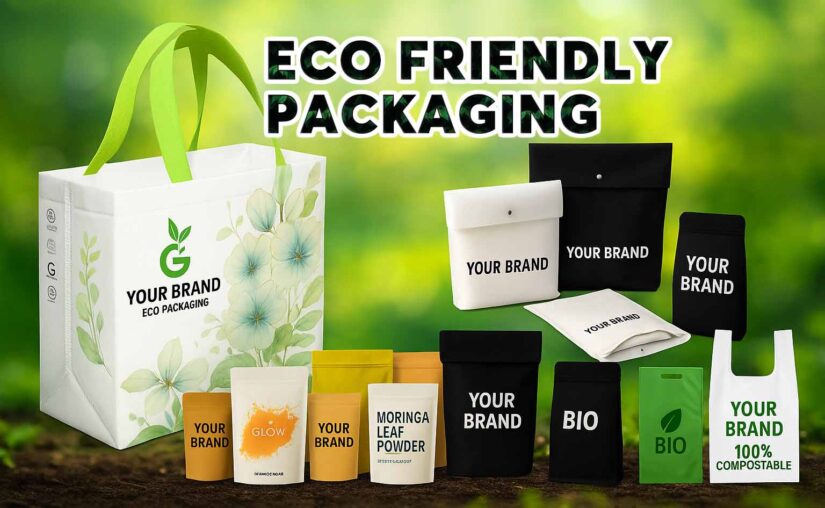
 The world of eco friendly packaging is changing fast. Businesses are rethinking how they ship and present their products. Customers want less waste, recyclable materials, and sustainable solutions. You can see this shift in every ecommerce brand, from fashion to food.
Working with packaging for over a decade, I’ve seen how brands grow when they align with sustainability. Eco friendly packaging not only helps the planet but also builds trust. Let’s explore how different industries and countries are making this change with creativity and purpose.
Sustainable Packaging in the Fashion Industry
Fashion brands are leading this movement. Many have moved away from plastics to paper and fabric packaging.
Kukicha, a Dutch organic denim brand, uses FSC®-certified paper mailers that fit a circular approach. Their Corporate Responsibility Manager, Zoé Diemen, ensures all packaging materials come from renewable sources.
Monday’s Child packaging redefines luxury packaging for children’s clothing. It is recyclable and beautiful, made from natural paper with clean lines.
Hanger Pak created a clothing box that transforms into a cardboard coat hangar. This helps reduce waste and offers a second life for the box.
Spell & The Gypsy, an Australian brand, uses cotton retail bags instead of single-use plastic. The bags are reusable and align with their eco values.
In UK, Origin X Performance, led by Samuel Allsop, uses bio-poly mailer bags made from sugarcane. This bioplastic alternative keeps carbon emissions low and helps the brand stay fully eco friendly.
Packaging Innovations from Global Brands
Packaging innovation is not limited to small startups. Major global brands are also investing in sustainable solutions.
Coca Cola introduced a Red coca cola can pack made with recyclable materials. The design reduces waste and uses less energy in production.
KFC, McDonald’s, and Starbucks have experimented with the edible coffee cup, which reduces single-use waste in cafes.
Bee Bright from Canada designed a honey jar with a wooden lid. Each jar includes a 100% bee wax candle, blending functionality and sustainability.
Nut Creative from Spain developed a transportable wine box and construction toy packaging that can be reused creatively.
Stafidenios, known for seedless raisins for children, introduced a convertible raisin box that transforms into a dollhouse. This encourages kids to reuse packaging instead of throwing it away.
Repack developed yellow repack packaging for soft goods that can be sent back and reused, helping ecommerce brands reduce return waste.
Biodegradable Packaging for Everyday Use
Biodegradable packaging is growing in demand across industries.
Notpla, created by designers and chemists, made a biodegradable packaging liner called the Notpla liner for the cardboard takeaway box. It replaces plastic coating and decomposes naturally.
Their other innovation, Ooho, is an edible bubble made from seaweed-based packaging. It eliminates the need for plastic bottles.
Soapack, founded by Mi Zhou, designed shampoo bottles made of soap. Once the shampoo is used, the bottle itself can dissolve.
Paper Water Bottle introduced a 100% paper-based bottle with 100% recycled content. It’s a strong step toward ending the 8 million tonnes of plastic waste that enter oceans each year.
Banana Leaf Packaging from Thailand replaces single-use plastic with biodegradable leaf-based packaging. It’s cheap, renewable, and compostable.
Hampi from India uses palm tree bark to make sustainable food containers.
Storopack and Good Natured use bioplastics and Polylactic Acid (PLA) from renewable resources like corn and potatoes.
Sustainable Packaging for Food and Beverage Brands
The food industry produces massive packaging waste. But several companies are solving this with smart ideas.
Pangea Organics uses eco-friendly ink on bar soap boxes made from recycled cardboard.
Buhbli Organics packs Himalayan bath salt in a polythene bag made from sugarcane, not petroleum.
Warsaw Saints from Poland started using Packhelp’s 90% recycled paper eco-mailer boxes with water-based ink in 2018.
In the UAE, many food outlets in Dubai, Abu Dhabi, Sharjah, Ajman, Ras Al Khaimah, Fujairah, and Umm Al Quwain are moving to bagasse containers, made from sugarcane pulp. These containers are biodegradable, compostable, and perfect for sustainable food packaging.
Circular Economy and Ethical Packaging Practices
Modern packaging isn’t only about materials. It’s about creating systems that reduce waste and reuse resources.
A circular economy means every product or material can return to the cycle without harming the planet. Recyclable Materials, Reusable Materials, and Sustainable Materials like glass containers, cardboard, and biodegradable materials play a vital role here.
Companies like EcoEnclose and Packlane use paper packaging and algae ink to minimize environmental impact.
Pratt’s 100% recycled corrugated cardboard used by Fulfillment by Amazon proves that large-scale operations can go green without sacrificing durability.
Brahmaki uses corrugated mailer boxes made from 90% recycled corrugated cardboard and printed with eco-friendly ink. These boxes serve both branding and environmental goals.
Sheyn, an Austrian jewellery brand, packages the Elkie pendant in a kraft mailer box under SHEYN packaging, reflecting elegance and care for the environment.
Reducing Plastic Waste in E-commerce
The e-commerce boom has led to massive shipping needs and packaging waste. Many wholesale companies are responding with sustainable packaging solutions.
Instead of traditional plastic and styrofoam, brands now use recyclable cartons, tapes, and stretch films made from biodegradable materials.
Eco friendly packaging such as orange mail box, yellow honey container, and green packaging cartons are replacing single-use plastics.
Courier bags made from organic substances and recycled polyester from PET bottles reduce dependence on oil-based materials.
This shift is vital because plastic waste continues to threaten ecosystems. Replacing it with 100% recycled and renewable materials supports efficient production processes and ethical labor practices.
Real-World Success with Sustainable Design
Some of the most inspiring packaging projects come from creative studios and design minds.
Nut Creatives, known for Source and transportable wine box projects, focus on reusable and modular design.
Kelpn, part of seaweed-based packaging, collaborates with innovators like Yanko Design to replace plastics with biodegradable starch and fibre components.
Papermart, Amazon, and Printing Circle are testing biodegradable materials for bulk packaging.
HP Chromebook 11 laptop comes in minimal packaging made of 90% recycled materials.
This evolution shows that sustainability can merge with creativity and efficiency without losing brand appeal.
The Future of Sustainable Packaging
From VR viewers made of cardboard to edible cups and bio-poly mailer bags, the packaging world is evolving fast.
Coca Cola’s Red coca cola can pack, KFC coffee cup, and Starbucks edible coffee cup hint at a future with less waste.
Designers and scientists are merging innovation with responsibility. Notpla, Soapack, and Paper Water Bottle are examples of how creativity meets eco responsibility.
Brands that choose eco friendly packaging not only protect the planet but also shape a better future for every ecommerce brand and consumer.

 Written by
 Written by