 Written by
 When you invest in custom packaging bags, you’re choosing tailored packaging solutions that meet your brand’s unique preferences, demands, and goals. From businesses wanting to comply with regulations to consumer-focused brands aiming for eco-friendly credentials, these bags deliver functionality, durability, and cost savings.
Creating Branding Impact with Tailored Bags
You want a bag that reflects your brand, sets you apart in retail, and supports your marketing and promotional aims.
- Choose customizable options: logo, colour, size, material.
- Select from non-woven, paper, biodegradable, or plastic materials, depending on your product, weight, and use.
- For a boutique feel or corporate giveaway, a zipper or zippered pouch style adds convenience and value.
- A visually appealing, creative design enhances the product experience and strengthens your brand recognition.
- For reusable bags, you support reusability, which appeals to eco-conscious shoppers and builds loyalty. From my experience in packaging design, clients saw higher repeat purchase rates when the bag reflected their brand ethos clearly.
Durability, Reusability & Long-Term Cost Benefits
Durability matters when you’re shipping, storing, or handing out bags at events or in retail outlets.
- A durable bag reduces damage, returns, and re-orders.
- A reusable bag means your customers carry your brand repeatedly—driving more impressions for the same investment.
- In the long-run, the cost savings from fewer replacements outweigh the higher upfront price of quality bags.
- Compare materials: traditional single-use plastics may cost less initially but harm the environment and incur regulatory risk. Biodegradable or compostable alternatives may cost moderately more but incur fewer disposal or regulatory costs.
- My team compared two suppliers: non-woven polypropylene bags lasted six times longer than standard thin plastic bags, delivering better ROI for the same brand spend.
Eco-Friendly Practices & Regulatory Compliance
More officials and regulations around single-use plastics mean businesses face pressure to adopt sustainable practices.
- Many companies now use eco-friendly packaging bags to reduce their waste, cut carbon footprints, and meet compliance.
- Choosing recyclable, biodegradable, or compostable materials shows your commitment to the circular economy and strengthens your reputation with environmentally conscious shoppers.
- A key strategy: train your employees and supply-chain partners to support recycling facilities, proper disposal, and reuse.
- My experience: when a supermarket chain switched to certified compostable bags for groceries and retail items, they saw a 20 % reduction in plastic waste and improved shopper satisfaction.
Material Options and Comparison
Selecting the right material shapes performance, cost, and brand alignment.
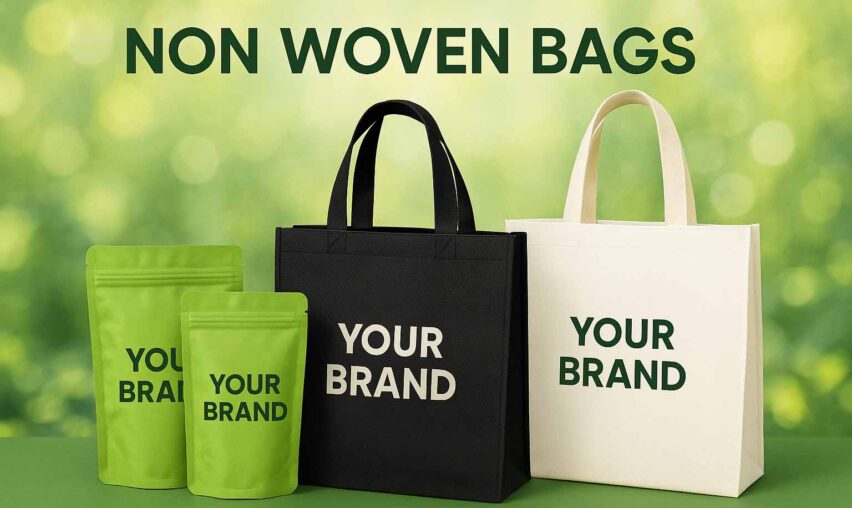
- Non-woven bags: strong, reusable, affordable.
- Paper bags: recyclable, good for boutiques and lightweight items; may be less durable under heavy load.
- Biodegradable or compostable polymers: excellent for eco-branding; cost may be higher, but value and reputational benefits are clear.
- Polyethylene film or plastic materials: traditional, low upfront cost, but face regulatory headwinds and landfill issues.
- Light-weight, flexible packaging options like pouches or padded mailers serve e-commerce needs while minimizing material use.
- When choosing, ask about certifications, supplier trustworthiness, and quality assurance. A reliable supplier will provide samples, material composition, and certified credentials.
Manufacturing Process, Order Flexibility & Speed
When you decide on custom bags, the manufacturing process, production timelines, and order flexibility matter.
- A committed partner extrudes, converts, and prints material for your custom job.
- Ask about custom sizes, types of bags, production runs, and custom production minimums.
- For fast-moving campaigns or seasonal events, you need quick turnaround, flexible production, and efficient delivery.
- From my coordination with suppliers: when timelines were tight, a factory that offered tailored services and immediate approvals saved critical lead time.
- Bulk ordering often reduces prices, but you must balance storage capacity and demand. Holding too many bags can create waste if design or branding changes before use.
Use Cases: Retailers, E-commerce, Events and More
Custom bags serve a multitude of market needs across industries.
- Supermarkets and retailers use branded bags for groceries and daily shoppers. The durable, reusable style lets shoppers return for more.
- Boutiques prefer aesthetic bags that reflect brand identity and make a statement when customers carry them out.
- E-commerce shops rely on mailers, pouches, or lightweight zipped bags for shipping convenience and brand reinforcement on arrival.
- Corporate giveaways, trade-show events, and promotional gifts benefit from bags customized with logo, colour, and message—driving marketing value far beyond the event.
- My insight: one corporate client replaced plain sacks with custom zippered pouches. The bag became part of the gift experience, created social media shares, and extended brand reach beyond the show.
Shopping Smart: What to Consider Before You Buy
When you’re shopping for custom packaging bags, use this checklist:
- Define your goals: brand visibility, waste reduction, cost efficiency, eco-credibility.
- Understand your customer preferences: Are they environmentally aware? Do they value reusability?
- Choose the right material for your product, use, and durability needs.
- Ask for samples and monitor quality, durability, and print fidelity.
- Confirm certifications, supplier trustworthiness, and legal compliance with applicable regulations.
- Calculate costs on a per-use basis—not just upfront price. A bag reused 50 times effectively costs less.
- Plan your storage, inventory, and delivery needs if you order in bulk.
- Support your strategy with training of staff and promotions that encourage customers to reuse and recycle.
- Monitor results: track reuse, brand visibility, customer feedback, and waste reduction metrics over time.
Future Outlook: Sustainability, Innovation and Brand Advantage
Adopting high-quality custom packaging bags gives you an edge.
- As officials worldwide tighten rules on single-use plastics, your proactive shift to reusable or compostable bags places you ahead.
- By reducing waste, lowering your carbon footprint, and adopting sustainable practices, you build a strong environmental narrative that resonates with shoppers.
- Innovations in materials, printing, and production mean you can get beautiful, custom-designed bags that meet your brand, market appeal, and aesthetic needs without sacrificing durability or cost-effectiveness.
- Over the long term, your investment pays off through customer loyalty, improved brand reputation, and lower replacement or disposal costs.
- In my experience, brands that treated custom bags as part of their product identity—not just functional packaging—saw greater impact in both marketing and sustainability outcomes.
- Your action now sets you up for a future where consumers expect responsible, flexible, affordable packaging choices and you already lead the way.

 Written by
 Written by