 Written by
 In mattress manufacturing, the edge seam is more than a finish — it is a structural element that affects durability, appearance, and long-term customer satisfaction. Upgrading to the right tape edge machine can transform product quality across your entire line. This article explains the specific ways tape edge equipment improves mattress performance and guides factories of different sizes toward the best choices.
1. Edge Stitching: The Hidden Strength of a Mattress
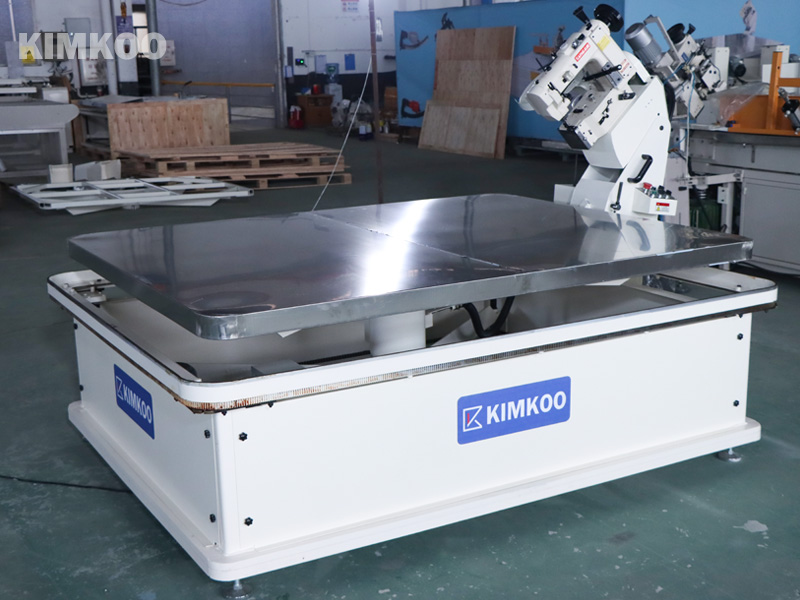
The mattress edge takes repeated stress: sitting on the border, getting in and out of bed, and repeated handling during transport. Poorly sewn edges lead to fabric pull, foam migration, and sidewall deformation. A modern mattress tape edge machine ensures consistent stitch tension, uniform stitch length, and correct thread engagement so the border holds its shape under long-term use.
2. Consistent Appearance at Scale
Consumers judge quality by appearance. Straight, wrinkle-free edges, neat corner transitions, and evenly spaced stitches give a premium look. Manual methods can produce single beautiful samples, but consistency across hundreds or thousands of units is difficult. An automatic tape edge machine enforces the same parameters for every mattress — alignment, angle, and stitch — delivering uniform aesthetics that protect brand reputation.
3. Reduced Rework and Defects
Defects such as skipped stitches, loose threads, or misaligned tape increase waste and labor costs. By stabilizing feeding, synchronizing sewing head speed with conveyor movement, and automating corner handling, advanced tape edge systems reduce the frequency of rework. For mid-size operations, electronic-drive and semi-automatic machines strike the best balance between defect reduction and capital expense.
4. Choosing Stitch Type for Intended Use
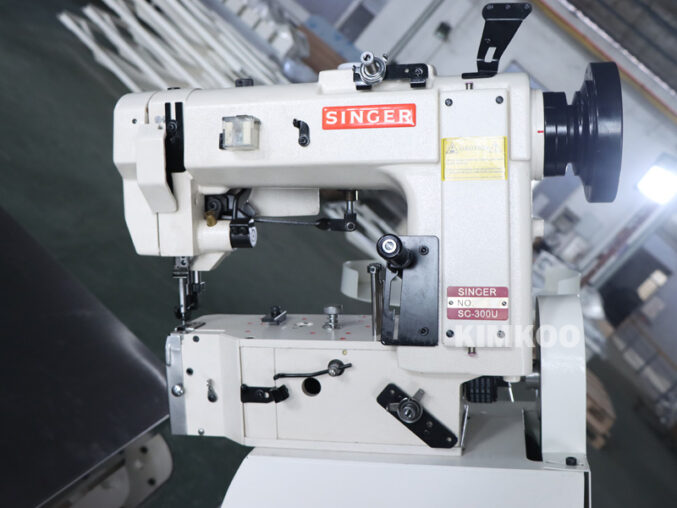
Stitch selection matters. Chain stitch heads (e.g., Singer 300U or PFAFF 5625) are faster and allow easy thread removal for rework; they suit high-throughput lines. Lock stitch systems provide permanent, interlocked seams for maximum durability. Understanding mattress type and end-use — hotel usage, residential household, export markets — helps choose equipment and stitch type that improve long-term product performance.
5. How Automation Improves Structural Integrity
Automation features such as automatic height adjustment, precise sewing head angle control, and synchronized conveyors keep the tape seated correctly against the mattress edges. This control prevents tape gaps and stress points that cause early failure. While fully automated systems require higher investment, they offer the lowest variation and longest-term reliability for large-scale production.
6. Operator Impact and Training
Even the best machine performs poorly with inconsistent setup. Semi-automatic and manual tape edge machine models require trained operators who understand table height, needle selection, and tension balancing. Investing in operator training reduces problems and improves seam quality without immediate full automation. For small workshops, the right training plus a robust semi-automatic unit often yields excellent results at modest cost.
7. Material and Component Compatibility
Different tapes, covers, and core materials behave differently under sewing. Heavy quilting, thick pillow tops, or hybrid constructions need heavy-duty sewing heads and low-vibration frames. Machines that support multiple sewing head options (Singer, PFAFF, TYPICAL, SEIKO) and offer adjustable stitch length and speed are better able to maintain seam integrity across product lines.
8. Long-Term Quality — Fewer Returns and Better Reviews
A well-stitched edge reduces product returns for edge collapse, seam failure, or fabric separation. Fewer returns mean lower warranty costs and higher customer satisfaction. Over time, consistent edge quality helps build positive reviews and stronger distributor relationships. Choosing the correct mattress tape edge machine is therefore an investment in brand longevity.
9. Practical Selection Guidance by Factory Size
- Small workshops / startups: Begin with a solid manual or entry-level semi-automatic model. This minimizes capital outlay while allowing control over stitch quality. Prioritize machines with durable frames and simple, reliable sewing heads.
- Growing manufacturers: Electronic-drive or mid-range semi-automatic machines provide electric lift tables, motorized head movement, and variable speed control — ideal for scaling quality without overspending.
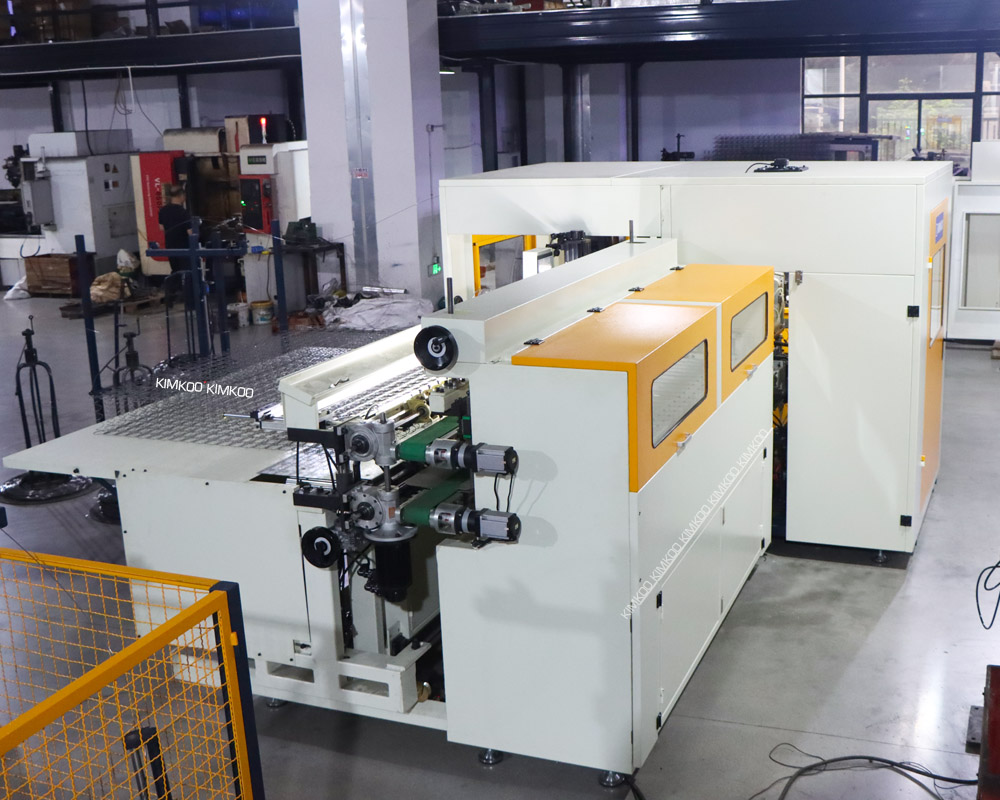
- Large factories: Fully automated conveyor-based systems deliver the highest consistency and throughput. Their automation of flipping, 90° corner turning, and head adjustment minimizes labor and maximizes uniformity.
10. Balancing Price vs. Long-Term Value
Price should be evaluated as total cost of ownership: purchase price, energy consumption, maintenance, downtime, replacement parts, and the cost of rework or returns. Often, a mid-range machine delivers better ROI for medium-volume producers, while full automation pays off for high-volume plants. Small operators should focus on reliability and ease of maintenance to keep operating costs low.
Conclusion — Upgrade Thoughtfully
Improving mattress quality with a tape edge system is not a single decision but a strategic choice aligned with product range, production volume, and long-term goals. Whether you select a manual, semi-automatic, or automatic tape edge machine, prioritize machines that offer consistent feeding, precise angle control, and the right sewing head options for your materials.
At Kimkoo, we supply a complete portfolio of mattress machine solutions that support growth from small workshops to large industrial lines. Contact us to discuss the best tape edge solution for your product mix, budget, and quality targets.


 Written by