 Written by
 When you think about toys, you probably imagine laughter, bright colors, maybe even the smell of fresh paint on a new dollhouse. But behind every teddy bear or toy car that lands in a child’s hands lies a quiet hero of consumer safety — the CE mark. For toy manufacturers, that tiny mark isn’t just a formality; it’s a passport to the European market and a declaration that the product meets essential safety, health, and environmental requirements. It’s both a responsibility and, honestly, a bit of a headache if you’re new to it. But here’s the thing: once you understand what CE certification for toys really involves, it stops feeling like bureaucracy and starts feeling like part of your brand’s integrity.
Why That Little CE Mark Matters More Than You Think
Let’s start with the obvious: the CE mark is mandatory for any toy sold in the European Economic Area. It’s not optional, and it’s not just a sticker you can order online. It’s a legal symbol that says your toy complies with the Toy Safety Directive 2009/48/EC, which is the backbone of toy safety in Europe. But beyond the legal talk, there’s something deeper.
That small mark builds trust. Parents notice it — maybe not consciously every time — but when they see it, it signals reliability. For retailers, it’s a sign that they can stock your products without worrying about compliance issues. And for manufacturers, it’s your ticket to trade freely across Europe without additional national approvals. Without that CE marking, your toys might as well have a “do not sell” tag attached.
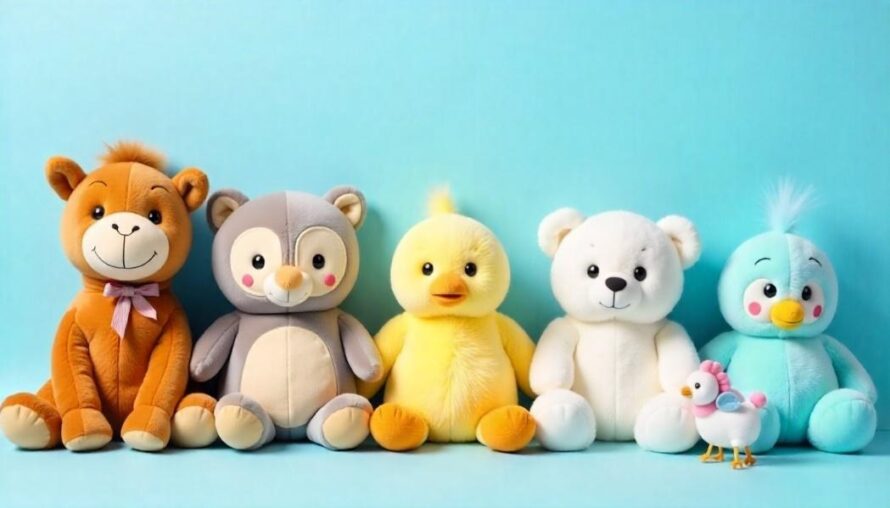
You know what’s interesting? Many small toy startups underestimate its power at first. They think, “We’re just making a soft toy; how risky could that be?” But even something as innocent as a plush bear can fail safety checks — maybe its eyes detach too easily, or the fabric contains banned dyes. The CE mark covers all that. It’s a symbol of diligence and care, not just compliance.
Understanding What CE Certification Actually Means
Now, CE certification isn’t a certificate you get from some authority. That’s a common misconception. It’s a self-declaration process, which means the manufacturer — yes, you — are responsible for ensuring the toy meets all the legal requirements. Sounds empowering, right? Well, it is, but it also means you carry the burden of proof.
So what does CE really stand for? It comes from the French “Conformité Européenne,” meaning “European Conformity.” When you put that mark on a toy, you’re publicly declaring that it meets EU safety, health, and environmental protection standards. In other words, you’re saying, “We’ve tested this thoroughly, and it’s safe.” And if the authorities ever ask, you must be able to back it up with documentation — what’s called the Technical File.
Think of CE certification less like a badge you earn once and more like a long-term promise. It’s a commitment to keeping your production consistent, your materials safe, and your documentation up to date.
The Toy Safety Directive: The Rulebook Behind the Scenes
Every CE marking process for toys begins with the Toy Safety Directive 2009/48/EC. This directive spells out what’s required, what’s restricted, and how compliance should be demonstrated. It’s not exactly light reading, but it’s essential.
The directive breaks toys down by hazards — mechanical, physical, chemical, flammability, electrical, hygiene, and even radioactivity. That’s right, even radioactivity is on the list, just in case. It’s comprehensive for a reason: children explore with all their senses, and that means any potential hazard is fair game.
Here’s what’s fascinating — the directive isn’t prescriptive about how you make your toys. It tells you the safety outcomes you must achieve but leaves room for innovation. Whether you’re crafting wooden puzzles or high-tech drones, the goal is the same: the toy must not endanger the child who plays with it.
Starting the CE Journey: From Concept to Compliance
Let’s say you’ve just designed a new toy robot. Before you even think about mass production, you need to determine if your creation qualifies as a “toy” under EU law. Seems silly, but the definition matters. If it’s intended or clearly designed for play by children under 14, then it’s officially a toy.
Once that’s clear, your CE journey begins with a risk assessment. This is the heart of the process — identifying every possible danger and deciding how to eliminate or mitigate it. Are there sharp edges? Small detachable parts? Toxic substances? Electrical components that could overheat? You’ve got to think like a safety inspector.
After that comes testing. Some manufacturers handle this internally, especially if they have the right expertise and facilities. But most rely on Notified Bodies — independent organizations recognized by the EU — to conduct testing and issue conformity assessments for more complex toys. These labs use harmonized standards, like EN 71 or EN 62115, to measure safety performance.
Why CE Certification Boosts Brand Value
Here’s something many manufacturers overlook: CE marking isn’t just a regulatory burden — it’s a marketing asset. When your products meet EU safety standards, it signals professionalism. Retailers trust you more. Parents feel reassured. Even distributors prefer working with compliant brands because it minimizes their own legal risks.
In a crowded toy market, safety is a differentiator. A company that treats compliance as part of its brand DNA naturally earns consumer loyalty. The CE mark, in that sense, becomes more than a legal logo; it becomes part of your storytelling. It says, “We care enough to make safety visible.”
It’s funny — something as small as two letters can hold so much meaning. But that’s what makes it powerful.
Wrapping It Up: More Than Just a Mark
So, let’s circle back to where we started — that tiny CE mark on the corner of a toy box. It’s easy to overlook, but behind it lies a story of design, testing, documentation, and integrity. For toy manufacturers, CE certification is both a legal necessity and an ethical one. It protects children, sustains brand credibility, and keeps the industry honest.
Sure, it can feel complex at first. But once you understand its rhythm — from risk assessments and EN standards to declarations and labeling — it becomes second nature. The CE process doesn’t stifle creativity; it channels it safely.
Because in the end, toy manufacturing isn’t just about making playthings. It’s about crafting safe experiences, building trust, and adding joy to a child’s world — responsibly, confidently, and yes, compliantly.


 Written by
 Written by