 Written by
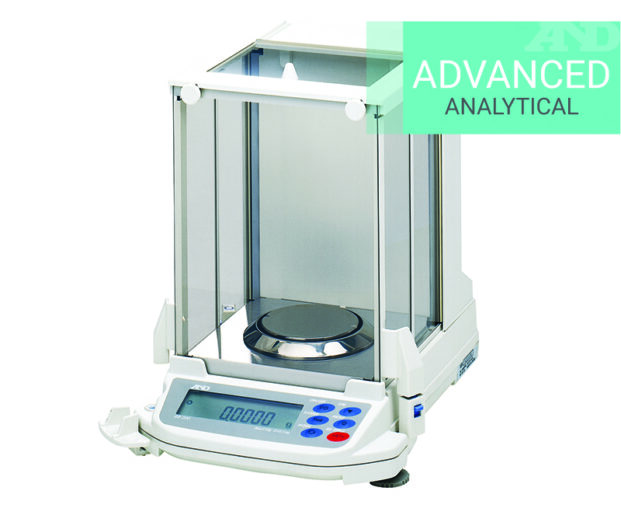
 Accuracy is the foundation of pharmaceutical manufacturing. From measuring active ingredients to ensuring consistency in finished products, precision at every step is what keeps medicines safe, effective, and compliant with regulatory standards. One of the most essential tools that enables this high level of accuracy is the electronic balance. Modern pharmaceutical facilities depend on electronic balances not only for weighing but also for quality assurance, traceability, and regulatory compliance.
In today’s world of advanced drug formulations and stringent safety expectations, understanding the role of electronic balances has become more important than ever.
Why Accurate Weighing Is Critical in Pharmaceuticals
Before any drug makes its way to a patient, it passes through multiple stages of development and manufacturing. Each stage—from formulation research to production and quality control—requires highly accurate measurements.
Here’s why accuracy is non-negotiable:
1. Ensuring Correct Dosage
Pharmaceutical formulations rely on precise quantities of active pharmaceutical ingredients (APIs). Even a slight deviation can:
- Reduce the drug’s effectiveness
- Cause side effects
- Lead to toxicity
- Trigger product recalls
Electronic balances offer the sensitivity and repeatability necessary to keep dosages within acceptable limits.
2. Maintaining Product Consistency
Every tablet, capsule, or vial produced must meet tight specifications. Consistency across batches is essential for:
- Therapeutic reliability
- Regulatory approvals
- Customer trust
Accurate weighing of ingredients ensures every batch meets its intended formulation.
3. Meeting Regulatory Requirements
Pharmaceutical companies operate under strict regulatory frameworks such as:
- Good Manufacturing Practice (GMP)
- United States Pharmacopeia (USP) standards
- European Pharmacopoeia (Ph. Eur.)
- Therapeutic Goods Administration (TGA) guidelines in Australia
Electronic balances are designed to meet these requirements, offering features such as calibration alerts, audit trails, and compliance-ready software integration.
What Makes Electronic Balances Essential?
Electronic balances outperform mechanical or analogue systems in almost every aspect. Their precision, reliability, and advanced features make them ideal for pharmaceutical environments.
1. High Sensitivity and Precision
Electronic balances can measure down to milligrams or micrograms depending on the type:
- Analytical balances: Typically measure to ±0.1 mg
- Semi-micro balances: Up to ±0.01 mg
- Microbalances: Down to ±0.001 mg or better
This level of sensitivity is vital for weighing small quantities of highly potent APIs used in modern formulations.
2. Faster Measurements
These balances provide instant, stable readings, reducing the time spent on repetitive tasks and increasing productivity in busy labs.
3. Reduced Human Error
Electronic balances incorporate intelligent features such as:
- Automatic internal calibration
- Overload protection
- Digital filtering
- Built-in diagnostics
- Touchscreen controls
These features reduce manual errors and ensure consistent, reliable results.
4. Data Integrity and Traceability
The pharmaceutical industry requires complete documentation of every measurement. Advanced electronic balances support:
- USB or Ethernet connectivity
- Integration with LIMS (Laboratory Information Management Systems)
- Secure storage and export of weighing results
- User access controls and password protection
This ensures compliance with 21 CFR Part 11 and ALCOA+ principles for data integrity.
5. Environmental Adaptability
Pharmaceutical environments often have challenges such as airflow, static electricity, or vibrations. Electronic balances offer:
- Anti-static devices
- Draft shields
- Vibration filtering
- Temperature compensation
These features help maintain accuracy even in demanding conditions.
Key Applications of Electronic Balances in the Pharmaceutical Industry
Electronic balances are used throughout the drug development and manufacturing process. Here are the most common applications:
1. Formulation Development
Pharmaceutical scientists depend on accurate weighing to create precise formulations during the R&D stage. Microbalances play a vital role when working with potent or expensive ingredients.
2. Quality Control (QC) Testing
QC labs use electronic balances for:
- Content uniformity tests
- Weight variation tests
- Raw material verification
- Purity analysis
These tasks require precise and repeatable results to meet regulatory standards.
3. Compounding and Manufacturing
Production lines rely on balances for batching, mixing, and filling operations. Electronic industrial balances ensure that each ingredient is added in exact proportions.
4. Sample Preparation
Analytical methods such as chromatography and spectroscopy require precise sample weights. Errors at this stage can lead to invalid test results.
5. Counting and Packaging
Some electronic balances function as counting scales, helping in accurate tablet counting and packaging—saving time and reducing waste.
Features to Look for When Choosing an Electronic Balance for Pharmaceutical Use
Not all balances are created equal. When selecting the right balance, pharmaceutical companies should consider:
1. Accuracy and Readability
Choose a balance that meets the resolution needed for your application. A microbalance may be required for potent API handling.
2. Compliance Features
Look for:
- Calibration certificates
- 21 CFR Part 11 compliance
- Audit trails
- Secure user access
3. Environmental Protection
Draft shields, anti-static solutions, and vibration-resistant construction help maintain precision.
4. Build Quality and Durability
Pharmaceutical environments demand equipment that can handle constant use without drifting or wear.
5. Integration Capabilities
Ensure compatibility with LIMS, ERP systems, or in-house software for seamless data management.
Best Practices for Maintaining Electronic Balance Accuracy
Even the best balance needs proper care. To maintain accuracy:
1. Calibrate Regularly
Use internal or external calibration as required by SOPs.
2. Place in a Stable Environment
Avoid areas with:
- Airflow
- Temperature fluctuations
- Vibrations
3. Clean After Each Use
Pharmaceutical ingredients can contaminate components or attract moisture. Regular cleaning helps prevent drift.
4. Use Proper Weighing Techniques
This includes:
- Using tongs for weights
- Allowing materials to reach room temperature
- Zeroing the balance before use
5. Train Personnel
Human error remains one of the biggest risks in weighing. Ongoing training ensures correct handling.
Conclusion
Electronic balances are more than just weighing tools—they are essential instruments that uphold pharmaceutical accuracy, safety, and compliance. With the increasing complexity of drug formulations and rising regulatory expectations, the role of electronic balances continues to grow.
Their speed, precision, advanced features, and integration capabilities make them indispensable at every stage of pharmaceutical production. For any facility committed to quality, investing in reliable electronic balances is not just a requirement—it’s a strategic advantage.


 Written by
 Written by