 Written by
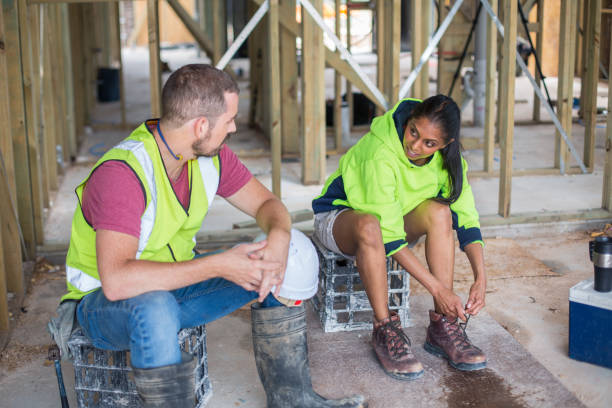
 Workplace safety is a critical concern across industries, from construction and manufacturing to logistics and healthcare. Personal protective equipment (PPE) plays a central role in preventing injuries and ensuring employee well-being. Among essential PPE, safety footwear is often overlooked, yet it is crucial for protecting workers from falls, impacts, punctures, and electrical hazards. Historically, safety shoes have been designed with a “one-size-fits-all” approach, often based on male foot dimensions. This has led to discomfort, reduced protection, and even workplace injuries for female employees. Today, breaking gender stereotypes in workplace safety means recognizing the importance of custom-fit safety shoes for females.
The Gender Gap in Safety Footwear
Many traditional safety shoes are built on male foot anatomy. Men generally have wider feet, higher arches, and different toe alignment than women. Female workers wearing shoes designed for men often experience:
- Toe compression and pinching
- Heel slippage leading to instability
- Arch discomfort and foot fatigue
- Reduced grip and balance
These issues are not just uncomfortable; they can directly impact workplace safety. Improperly fitted shoes can increase the risk of slips, trips, and falls — one of the leading causes of workplace injuries. For women performing physically demanding tasks, inadequate footwear can also lead to long-term musculoskeletal problems.
Why Custom-Fit Safety Shoes Matter
Custom-fit safety shoes are designed specifically for female foot anatomy, providing proper support, comfort, and protection. Key benefits include:
1. Enhanced Comfort and Productivity
Comfort is more than a convenience; it directly affects productivity. Shoes that fit well reduce foot fatigue, allowing female workers to perform their duties more efficiently and with less discomfort. Employees are more likely to maintain proper posture and movement when their feet are well-supported, reducing strain on knees, hips, and lower back.
2. Improved Safety and Protection
Custom-fit safety shoes ensure that protective features such as steel toes, reinforced soles, and slip-resistant materials function as intended. A shoe that fits properly keeps toes and heels in place, preventing injuries caused by sudden impacts or falls. Slip-resistant soles paired with a snug fit improve stability, particularly on wet, oily, or uneven surfaces.
3. Support for Long-Term Foot Health
Women wearing ill-fitting shoes are prone to bunions, plantar fasciitis, and other foot ailments over time. Custom-fit safety shoes incorporate proper arch support, cushioning, and ergonomics, reducing the likelihood of long-term injury and chronic pain. Healthy feet mean fewer sick days and better overall well-being for female employees.
4. Breaking Workplace Stereotypes
Providing women with PPE designed for them challenges the outdated notion that male-sized equipment is sufficient for everyone. It signals that the workplace values inclusivity and understands the unique needs of female employees. This approach not only improves morale but also encourages more women to pursue careers in traditionally male-dominated industries, such as construction, mining, and manufacturing.
Features of Custom-Fit Safety Shoes
When choosing custom-fit safety shoes for females, several features make a difference:
- Proper sizing and width options: Shoes should account for narrower heels, higher arches, and the natural shape of female feet.
- Cushioning and shock absorption: To reduce fatigue during long shifts on hard surfaces.
- Slip-resistant and puncture-resistant soles: Essential for hazardous work environments.
- Lightweight materials: To prevent unnecessary strain on legs and feet.
- Durable protective features: Steel or composite toe caps and reinforced midsoles provide maximum protection without compromising comfort.
By combining these features, female workers get the safety and performance benefits they deserve.
Industry Impact and Case Studies
Several forward-thinking companies have recognized the importance of custom-fit safety shoes for women and reported positive outcomes.
- Construction companies: Female workers wearing tailored safety boots report fewer slips, better stability on scaffolding, and less foot fatigue during long hours.
- Manufacturing plants: Providing properly fitted safety shoes has reduced absenteeism due to foot pain and increased overall productivity.
- Healthcare facilities: Nurses and lab technicians benefit from ergonomically designed safety shoes that protect against spills, falls, and long hours of standing.
These real-world examples highlight the tangible benefits of acknowledging gender-specific safety needs in the workplace.
Challenges in Implementation
Despite the clear advantages, challenges remain in widespread adoption:
- Limited availability: Not all safety shoe manufacturers produce a wide range of female-specific options.
- Cost considerations: Custom-fit safety shoes can be slightly more expensive than standard models, which may deter some employers.
- Awareness: Some organizations may not realize the importance of female-specific PPE, assuming male-sized equipment is adequate.
Overcoming these challenges requires education, advocacy, and collaboration between safety officers, HR departments, and PPE manufacturers.
Advocating for Gender-Inclusive Safety
Promoting custom-fit safety shoes for females is part of a larger effort to create gender-inclusive workplaces. Steps organizations can take include:
- Conducting regular assessments of PPE needs for all employees
- Offering a range of sizes and styles specifically designed for female workers
- Providing training on proper shoe fit and ergonomics
- Collaborating with suppliers to access high-quality, certified female safety shoes
By taking these steps, employers demonstrate commitment to both safety and gender equality.
Conclusion
Breaking gender stereotypes in the workplace is not just about representation — it’s about creating conditions where all employees can work safely, efficiently, and comfortably. Custom-fit safety shoes for females are a critical component of this effort. They address anatomical differences, reduce the risk of injury, enhance comfort, and promote long-term foot health.
By investing in properly fitted footwear, organizations protect their employees, improve productivity, and foster inclusive work environments. Female workers can then perform at their best, free from the limitations imposed by ill-fitting, male-centric safety shoes.


 Written by
 Written by