 Written by
 In today’s fast-paced world, businesses require reliable, efficient, and safe electrical systems to keep operations running smoothly. Whether it’s an office space designed for productivity or a retail environment that aims to enhance the customer experience, proper electrical solutions are essential for day-to-day functions. In this article, we’ll explore the critical electrical considerations for office and retail spaces, ensuring safety, efficiency, and convenience.
1. The Importance of Electrical Infrastructure
Electrical systems form the backbone of any modern business. A properly designed and implemented electrical infrastructure ensures that lighting, HVAC systems, IT equipment, and other essential devices run efficiently. For office spaces, where productivity and comfort are key, the electrical setup should support long hours of work without causing distractions or risks. In retail spaces, on the other hand, it’s vital to have an electrical system that enhances the shopping experience, providing lighting, climate control, and seamless transactions.
2. Lighting: Creating the Right Ambiance
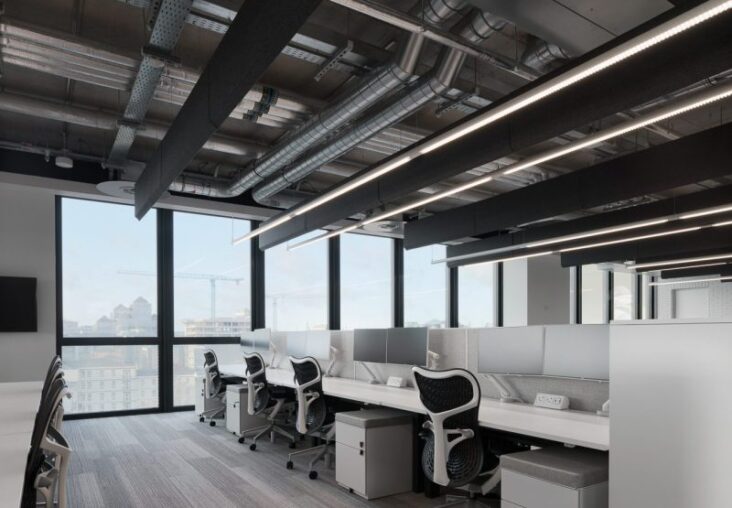
Lighting plays a pivotal role in both office and retail environments. In an office, the goal is to create a well-lit space that minimizes eye strain while fostering a productive work environment. Overhead LED lights are a popular choice, as they provide consistent, energy-efficient illumination. Task lighting, such as desk lamps, should be considered for specific workstations to provide additional focus light without causing glare.
In retail spaces, lighting goes beyond functionality. It’s used to create ambiance, highlight products, and guide customer behavior. Retail lighting design involves a combination of ambient, accent, and task lighting. Ambient lighting illuminates the entire store, accent lighting highlights specific products or areas, and task lighting is focused on areas like checkout counters or fitting rooms. Dimmer switches can also be used in both settings to adjust lighting levels as required, creating different moods throughout the day.
3. Energy Efficiency: Reducing Operational Costs
Energy efficiency is a priority for businesses seeking to reduce operating costs and minimize their carbon footprint. LED lighting, energy-efficient HVAC systems, and smart controls are excellent solutions for both office and retail spaces. Offices with open-plan layouts and large windows can take advantage of natural daylight, reducing the need for artificial lighting. Additionally, occupancy sensors can be installed to turn lights off when rooms are unoccupied, further saving energy.
Retail spaces, often open for extended hours, can also benefit from energy-efficient solutions. Smart thermostats and energy-saving appliances ensure that heating, cooling, and lighting are optimized without excess energy consumption. Businesses are not only reducing their energy bills but also contributing to sustainability efforts by adopting these solutions.
4. Power Outlets and Charging Solutions
With the increasing reliance on electronic devices in both offices and retail spaces, adequate power outlets are crucial. Offices are full of computers, printers, phones, and other essential devices, all of which require easily accessible power sources. A well-thought-out office electrical design includes plenty of outlets, strategically placed to prevent the need for long extension cords, which can create tripping hazards. Power strips with surge protectors should be used to safeguard electronic equipment from power surges.
In retail spaces, charging stations are becoming more common for customers who need to charge their smartphones or other devices. These stations can be integrated into seating areas, counters, or even individual displays, offering added convenience for customers. Retailers can use these charging points to engage with customers, offering loyalty rewards or product promotions in exchange for the use of the charging station.
5. Security Systems: Ensuring Safety
Security is a critical consideration for both office and retail spaces. Electrical systems should support the installation of surveillance cameras, alarm systems, access control, and emergency lighting. For offices, integrating a security system into the electrical infrastructure ensures that access points are secure, and employees feel safe during working hours and after hours.
In retail environments, security is paramount, particularly in high-foot traffic areas. Surveillance cameras, motion sensors, and alarm systems are crucial for preventing theft and ensuring that the store is secure at all times. Retailers should also invest in proper emergency lighting and exit signs, which should be connected to an independent power supply in case of a power outage. This ensures customers and employees can evacuate safely during emergencies.
6. Electrical Maintenance and Upgrades
Electrical systems in office and retail spaces require regular maintenance to ensure they continue to function optimally. Over time, wiring, circuits, and appliances may become outdated or inefficient, increasing the risk of electrical faults or failure. To avoid downtime, business owners should establish a maintenance schedule that includes routine inspections of electrical systems by a qualified professional.
For both office and retail spaces, the need for electrical upgrades may arise as businesses grow or technology evolves. If your business is expanding, or if you’re installing new equipment, a professional electrician can assess the existing electrical setup and recommend necessary upgrades. This might include installing additional circuits, increasing the number of outlets, or upgrading to a higher capacity electrical panel.
If you’re located in the Tunbridge Wells area, it’s highly advisable to reach out to a reliable electrician Tunbridge Wells who can provide expert advice, installation, and ongoing support for your business’s electrical needs.
7. Compliance with Regulations
Electrical installations in offices and retail spaces must comply with local safety standards and regulations. These regulations are in place to protect the safety of employees, customers, and the building itself. In the UK, for example, businesses must adhere to the 2015 IET Wiring Regulations (18th edition) for electrical installations.
It’s essential to consult with a qualified and certified electrician when designing or upgrading your electrical systems. An experienced professional can ensure that all installations are compliant with the latest safety regulations and help you avoid costly fines or accidents.
Conclusion
Electrical solutions for office and retail spaces are about more than just wiring and power distribution—they are about creating environments that are safe, efficient, and conducive to productivity and customer satisfaction. By investing in the right electrical systems, including proper lighting, energy-efficient appliances, and robust security measures, businesses can improve both employee and customer experiences. Moreover, regular maintenance and professional upgrades will ensure that these systems continue to meet the evolving needs of your business.
With the right support from a qualified electrician in Tunbridge Wells, you can design and implement an electrical system that meets the demands of your office or retail space while maintaining compliance with all safety regulations.
Also Prefer our other Article :
https://nexthypezone.com/choosing-the-right-electrical-setup-for-high-tech-surveillance/



 Written by
  Written by