 Written by
 The first time most people hear the phrase sodium permanganate, there’s a pause. It sounds intense. Chemical. A little intimidating, honestly. And yet it shows up in real places—water treatment plants, labs, industrial cleanup sites, even textbooks that smell faintly of dust and disinfectant. So the question keeps coming back. Is it safe? Or is it one of those things that’s fine only when nobody messes up?
We’ve spent time around this topic, reading labels, watching professionals handle it with that calm, deliberate care. The truth sits somewhere in the middle. Sodium permanganate isn’t harmless, but it isn’t a villain either.
What Sodium Permanganate Actually Is
Sodium permanganate is a strong oxidizing agent. That’s the heart of it. Chemically speaking, it’s related to potassium permanganate, just more soluble and often preferred in industrial settings. It usually appears as deep purple crystals or a dark solution that stains just about anything it touches. Skin included. Clothes too. Ask anyone who’s seen it splash.
It’s powerful. That’s why it’s used at all.
Common Uses of Sodium Permanganate in the Real World
Water and Wastewater Treatment
One of the biggest uses of sodium permanganate is in water treatment. Municipal systems rely on it to control taste, odor, and certain contaminants. It helps oxidize iron, manganese, and sulfur compounds. The result? Cleaner water. Less smell. Fewer complaints.
In the United States and other regulated regions, this use follows strict environmental and public health standards. Not optional. Mandatory.
Environmental Remediation
This is where sodium permanganate gets serious. It’s often used to clean up contaminated soil and groundwater, especially where industrial solvents have leaked. It breaks down harmful organic compounds into less toxic forms.
We’ve heard people call it “chemical cleanup muscle.” That fits. But muscle needs control.
Laboratory and Industrial Applications
In labs, sodium permanganate may be used for oxidation reactions, analytical chemistry, or specialized manufacturing processes. These environments aren’t casual. Trained professionals. Clear protocols. No shortcuts.
And that context matters a lot.
So, Is Sodium Permanganate Safe?
The honest answer is yes—and no. Sodium permanganate is safe when handled correctly, under regulated conditions, by trained individuals. It is not safe when treated casually or without respect for its chemical strength.
That balance gets lost online sometimes.
Health Risks People Should Know About
Sodium permanganate can cause irritation or burns if it comes into direct contact with skin or eyes. Inhalation of dust or mist can irritate the respiratory system. Ingestion is dangerous. No softening that.
Even small exposures can leave noticeable stains or discomfort. Not subtle. That purple color is memorable.
This is why safety data sheets exist. And why they’re long.
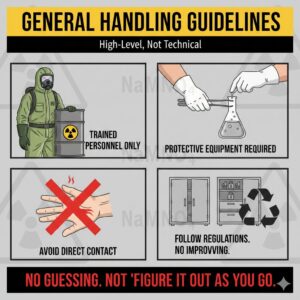
General Handling Guidelines (High-Level, Not Technical)
We’re keeping this practical, not instructional.
-
Sodium permanganate should only be handled by trained personnel
-
Protective equipment is typically required in professional settings
-
Direct contact is avoided, always
-
Storage and disposal follow local and national regulations
No improvising. No guessing. This is not a “figure it out as you go” chemical.
Regulatory Oversight and Safety Standards
In regions like the United States, sodium permanganate use is governed by agencies such as OSHA and the EPA. In the European Union, REACH regulations apply. These frameworks exist for a reason. They define exposure limits, transport rules, labeling requirements, and emergency procedures.
If something needs that much paperwork, it deserves attention.
Environmental Impact Considerations
Here’s where nuance shows up. Sodium permanganate can actually reduce environmental harm when used properly. It neutralizes pollutants. It helps restore contaminated land. That’s a net positive.
But accidental releases or misuse can disrupt ecosystems, particularly aquatic life. Oxidizers don’t discriminate. They react with what’s there.
So again. Control matters.
Misconceptions That Keep Circulating
One common myth is that sodium permanganate is “basically the same as household cleaners.” It’s not. Another is that because it’s used in water treatment, it must be safe to handle casually. Also not true.
Professional use does not equal personal safety.
We’ve also seen confusion between sodium permanganate and similar-sounding compounds. Names matter. Chemistry definitely does.
Why Professionals Respect This Chemical
Watch someone experienced work with sodium permanganate and you’ll notice something. No panic. No rush. Just steady, careful movement. They don’t talk much while doing it. That’s always a sign.
Respect doesn’t mean fear. It means awareness.
Location-Specific Use and Compliance
In industrial hubs across North America, Europe, and parts of Asia, sodium permanganate is a regulated tool. Permits are required. Training is mandatory. Documentation follows every shipment.
That level of oversight tells us something important. This is not a casual substance.
Real-World Observations, Not Just Theory
People who work around sodium permanganate often mention the same things. The staining. The smell. The way it commands attention. You don’t forget the first time you see it react.
It’s not dramatic like explosions in movies. It’s quieter. More controlled. But still very real.
A Thought That Lingers
Sodium permanganate isn’t good or bad on its own. It’s capable. That’s the better word. Capable of helping. Capable of harm. The difference lies entirely in knowledge, training, and restraint.
And maybe that’s why it keeps showing up in critical systems. We trust it. But only within boundaries.
Some chemicals demand that kind of relationship. Careful. Measured. A little serious.
And honestly, that’s probably how it should stay.



 Written by
 Written by