 Written by
 In today’s fast-paced business environment, effective procurement and logistics are essential for operational success. Supply chain services play a crucial role in managing the flow of goods, information, and resources from suppliers to end customers. By integrating modern procurement and logistics practices, businesses can enhance efficiency, reduce costs, and improve overall performance.
What Are Supply Chain Services?
Supply chain services encompass a set of coordinated activities aimed at ensuring the smooth movement of products and information across the supply chain. These services include procurement, sourcing, inventory management, warehousing, transportation, and distribution. They act as a bridge between manufacturers, suppliers, and end users, ensuring that products are delivered on time, in the right quantity, and at the required quality standards.
In modern business practices, supply chain services also integrate technology, data analytics, and automation to streamline operations and enhance decision-making.
The Importance of Supply Chain Services in Procurement
Procurement is the process of sourcing and purchasing goods and services needed by a business. Supply chain services improve procurement by:
- Streamlining Vendor Selection: Businesses can work with trusted suppliers who provide quality products consistently.
- Negotiating Better Terms: Centralized procurement helps achieve cost savings through bulk purchases and supplier negotiations.
- Ensuring Timely Delivery: Coordinated supply chain services prevent delays, ensuring that production schedules remain uninterrupted.
- Maintaining Quality Standards: Products are sourced from reliable suppliers and checked for quality before delivery.
By managing procurement efficiently, supply chain services allow businesses to focus on their core operations while reducing operational risks.
Enhancing Logistics Through Supply Chain Services
Logistics is the backbone of product movement, encompassing transportation, warehousing, and delivery. Supply chain services modernize logistics by:
- Optimizing Routes and Transportation: Advanced planning reduces transit times and transportation costs.
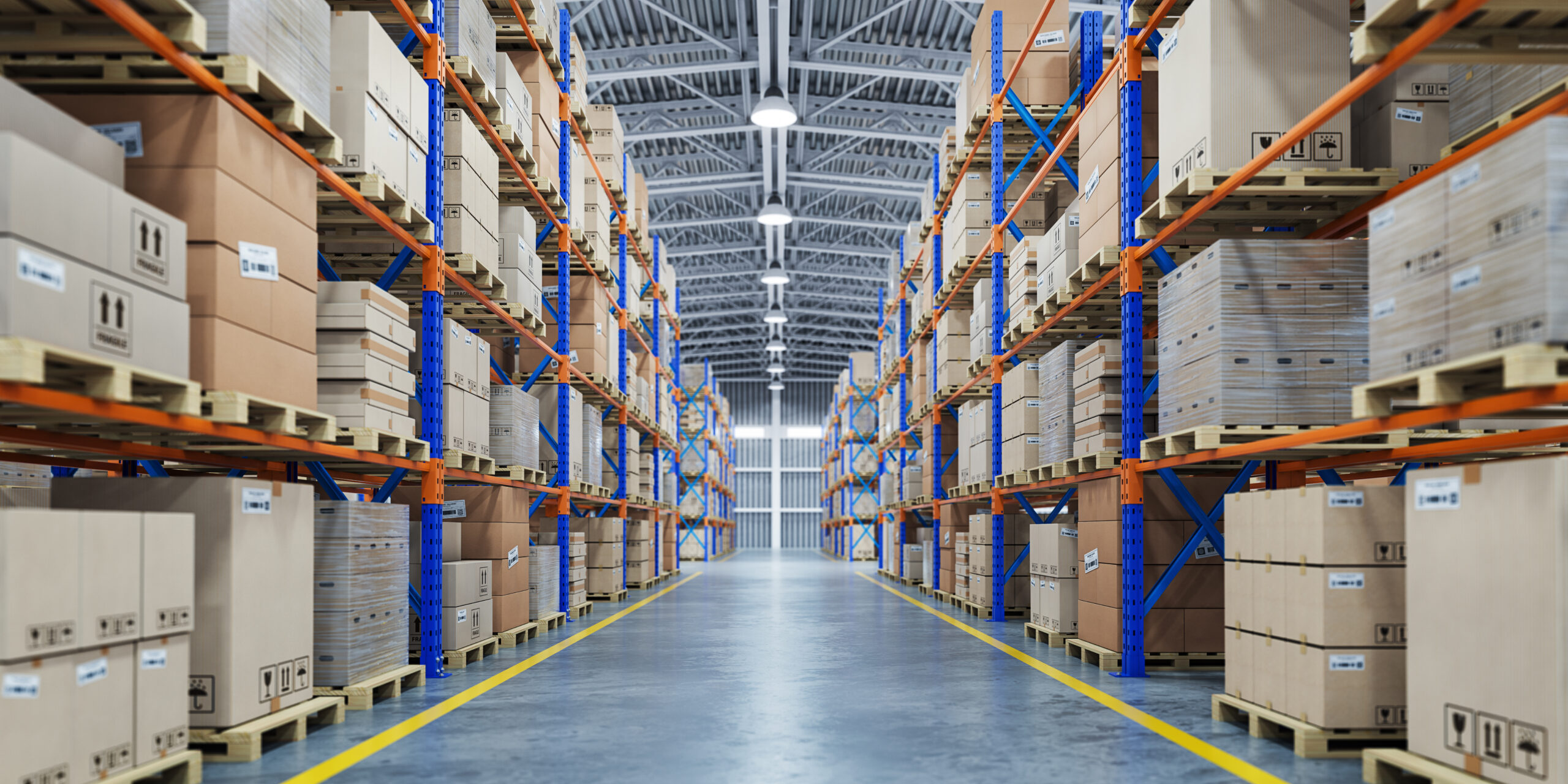
- Centralizing Warehousing: Efficient warehousing solutions minimize storage costs and ensure easy access to inventory.
- Tracking Shipments in Real-Time: Modern logistics technology provides visibility and monitoring, reducing the risk of lost or delayed shipments.
- Adapting to Market Demands: Flexible logistics solutions allow businesses to respond quickly to changing customer needs or unexpected disruptions.
Efficient logistics ensures that products reach customers in the right condition, on time, and at a lower cost.
Benefits of Integrating Supply Chain Services in Modern Businesses
- Cost Reduction: By optimizing procurement and logistics, businesses reduce operational expenses and improve profitability.
- Operational Efficiency: Coordinated supply chain activities eliminate redundancies and improve workflow.
- Better Inventory Management: Real-time data and forecasting prevent overstocking or stockouts.
- Enhanced Customer Satisfaction: Timely deliveries and consistent quality build customer trust.
- Risk Mitigation: Supply chain services help businesses manage potential disruptions, such as supplier delays or transport issues.
The Role of Technology in Modern Supply Chain Services
Modern supply chain services rely heavily on technology to increase efficiency:
- Enterprise Resource Planning (ERP) Systems: Integrate procurement, inventory, and logistics into a centralized platform.
- Data Analytics: Helps predict demand, track performance, and optimize processes.
- Automation: Reduces manual errors, speeds up procurement, and improves accuracy in logistics.
- IoT and Tracking Devices: Provide real-time information about shipments, storage conditions, and inventory levels.
Technology ensures that supply chain services are faster, more transparent, and more reliable, allowing businesses to stay competitive in the modern market.
Real-World Applications of Supply Chain Services
Supply chain services are widely applied across industries such as:
- Manufacturing: Ensuring raw materials arrive on time for uninterrupted production.
- Retail: Managing inventory across multiple stores and e-commerce platforms.
- Healthcare: Coordinating timely delivery of medical supplies and pharmaceuticals.
- Food & Beverage: Maintaining freshness and quality through cold-chain logistics.
These examples highlight how modern supply chain services improve efficiency, reduce waste, and enhance operational performance.
Conclusion
The role of supply chain services in modern procurement and logistics is critical for business success. By integrating procurement, inventory management, and logistics under a coordinated strategy, businesses can operate efficiently, reduce costs, and deliver better service to their customers. Technology and process optimization play a central role, ensuring supply chains remain agile, resilient, and capable of meeting today’s dynamic market demands.
Modern businesses that invest in effective supply chain services gain a competitive advantage, improve operational performance, and ensure sustainable growth.

 Written by
 Written by