 Written by
 Understanding 3 Pin EV Chargers: Convenient Charging for Everyday EV Use
Introduction
As electric vehicles (EVs) gain traction worldwide, convenient and accessible charging has become a key factor for adoption. While high-power AC wallboxes and DC fast chargers often get the spotlight, the humble 3 pin EV charger remains one of the most widely used and practical solutions—especially for residential users and first-time EV owners.
Often referred to as Level 1 charging, a 3 pin EV charger allows an electric vehicle to charge directly from a standard household socket. While slower than dedicated chargers, its affordability, simplicity, and universal availability make it an essential part of the EV charging ecosystem.
This article explores what a 3 pin EV charger is, how it works, its benefits and limitations, safety considerations, and its role in the broader EV charging landscape.
What Is a 3 Pin EV Charger?
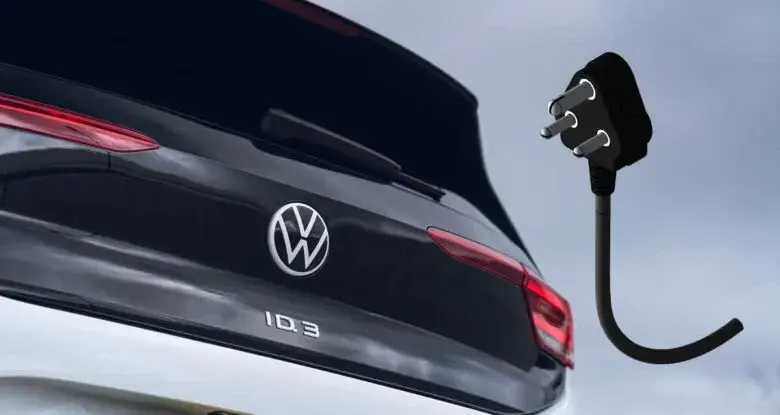
A 3 pin EV charger is a basic, plug-and-play solution that connects an EV to a standard household outlet. It usually consists of a portable charging cable with an in-cable control and protection device (IC-CPD), which regulates power delivery and ensures safety.
Unlike wall-mounted chargers, no specialized installation is required—just plug it into a standard socket. Depending on your region, a 3 pin charger typically operates at:
- 220–240V AC in Europe, Asia, and other regions
- 110–120V AC in North America
Charging power is usually 1.8–3.0 kW, depending on the socket and charger design.
How It Works
Power Connection
The charger draws electricity through a standard three-pin plug—live, neutral, and earth.
In-Cable Safety
The IC-CPD monitors and controls the charging current, protecting against overcurrent, overheating, and leakage currents.
Vehicle Interface
The vehicle connects via a standard EV plug (Type 1 or Type 2, depending on the region).
Charging Regulation
The EV’s onboard charger converts AC to DC to charge the battery. Charging speed is limited by both the socket and the vehicle’s onboard charger capacity.
This simple design allows EVs to charge safely using existing home electricity infrastructure.
Charging Speed and Power Output
Power: 2–3 kW (10–13A from standard sockets)
Typical Charging Times:
- Small EVs (20–30 kWh battery): 10–15 hours
- Mid-size EVs (50–60 kWh battery): 20–30 hours
Because of the slow charging speed, 3 pin chargers are best suited for overnight charging or emergency top-ups rather than daily long-distance driving.
Advantages
- Universal Accessibility – Most homes already have compatible sockets, eliminating installation needs.
- Low Cost – Often included with the vehicle, cheaper than wall-mounted chargers, and free from installation costs.
- Portability – Lightweight and easy to carry, useful at home, when traveling, or visiting friends.
- Simple Operation – No complex configuration—plug and charge.
Limitations
- Slow Charging – Impractical for high-mileage drivers or large batteries.
- Socket & Wiring Limits – Prolonged use may cause overheating or wear on outdated wiring.
- Limited Smart Features – Lacks app controls, energy monitoring, or load management.
Safety Considerations
- Built-In Protections: Overcurrent, over/undervoltage, overtemperature, leakage detection, and ground fault monitoring.
- Socket Quality: Ensure outlets are in good condition, properly wired, and avoid extension cords.
- RCD & Grounding: Proper earthing and residual current protection are essential. Some regions require additional RCD in the distribution board.
Applications
- Home Charging: Ideal for low daily mileage and overnight charging.
- Backup & Emergency Charging: Serves as a secondary option if other chargers fail.
- Temporary Installations: Useful in rentals, temporary housing, construction sites, or short-term EV use.
3 Pin vs Wall-Mounted AC Chargers
| Feature | 3 Pin EV Charger | AC Wallbox Charger |
|---|---|---|
| Power Output | 2–3 kW | 7–22 kW |
| Installation | None | Professional required |
| Charging Speed | Slow | Moderate to fast |
| Cost | Low | Higher |
| Portability | High | Fixed |
| Smart Features | Limited | Advanced |
3 pin chargers complement wall-mounted options rather than replace them.
Standards and Compliance
To ensure safety and compatibility, 3 pin chargers must meet standards such as:
- IEC 61851 (EV conductive charging)
- IEC 62752 (in-cable control and protection devices)
- National wiring and safety regulations
Maintenance Tips
- Inspect cables, plugs, and connectors for damage before use.
- Avoid prolonged exposure to dust, moisture, or extreme temperatures.
- Test safety functions periodically.
- Replace any charger showing signs of overheating or malfunction.
Proper care ensures safety, reliability, and long service life.
The Role of 3 Pin Chargers in EV Adoption
3 pin chargers help lower barriers to EV ownership, support early-stage markets, and provide universal access where infrastructure is limited.
Future Outlook
While fast charging continues to advance, 3 pin chargers will remain relevant as:
- Entry-level and backup solutions
- Safer, more durable, and compatible with smart energy systems
- Essential in regions with developing charging networks
Conclusion
3 pin EV chargers are a simple yet vital part of the EV ecosystem. They may not replace high-power AC or DC chargers, but their convenience, affordability, and accessibility make them indispensable—especially for predictable daily use and overnight charging.
As EV adoption grows, 3 pin chargers will continue to ensure that charging remains within reach—anytime, anywhere.Find Top China Manufacturers, Suppliers, Exporters, Services Providers, Sourcing China Quality Products & Services on the B2B E-Commerce Website Platform Portal.


 Written by
  Written by