 Written by
 High-resolution audio has become a popular buzzword in the world of digital music. From premium headphones to audiophile-grade music players, “Hi-Res Audio” logos now appear everywhere, promising studio-quality sound and a more immersive listening experience. But what does high-resolution audio really mean, and more importantly, do you actually need it in your MP3 player?
For everyday listeners, the answer isn’t always straightforward. Understanding how high-resolution audio works, how it compares to standard MP3 files, and what equipment is required can help you decide whether upgrading is worth it.
What Is High-Resolution Audio?
High-resolution audio refers to digital audio files that have a higher sampling rate and bit depth than standard CD-quality audio. Traditional CDs use a sampling rate of 44.1kHz and a bit depth of 16-bit. High-resolution audio typically starts at 24-bit/48kHz and can go as high as 24-bit/192kHz or beyond.
In simple terms:
- Sampling rate determines how often audio is captured per second.
- Bit depth affects the dynamic range, or how much detail exists between the quietest and loudest sounds.
Higher values theoretically mean more accurate sound reproduction, closer to what was recorded in the studio.
How High-Resolution Audio Differs from MP3
MP3 is a lossy audio format, meaning it removes parts of the sound data to reduce file size. This compression is based on psychoacoustic models that aim to discard sounds the human ear is less likely to notice.
High-resolution formats, on the other hand, are usually lossless or minimally compressed. Common hi-res formats include:
- FLAC (Free Lossless Audio Codec)
- ALAC (Apple Lossless Audio Codec)
- WAV
- AIFF
- DSD (used in some audiophile systems)
Compared to MP3s, these files preserve more of the original recording, resulting in larger file sizes but potentially greater detail and clarity.
Does High-Resolution Audio Sound Better?
The short answer: sometimes, but not always.
The perceived improvement depends on several factors:
- Recording quality – A poorly recorded or heavily compressed master won’t magically improve in hi-res format.
- Playback equipment – High-quality headphones or speakers are essential to hear any difference.
- Listening environment – Background noise can mask subtle audio details.
- Your hearing – Many people cannot distinguish between high-bitrate MP3s and lossless files in blind tests.
For casual listening, a well-encoded 320kbps MP3 often sounds excellent. The improvements offered by high-resolution audio are usually subtle rather than dramatic.
What Is a High-Resolution MP3 Player?
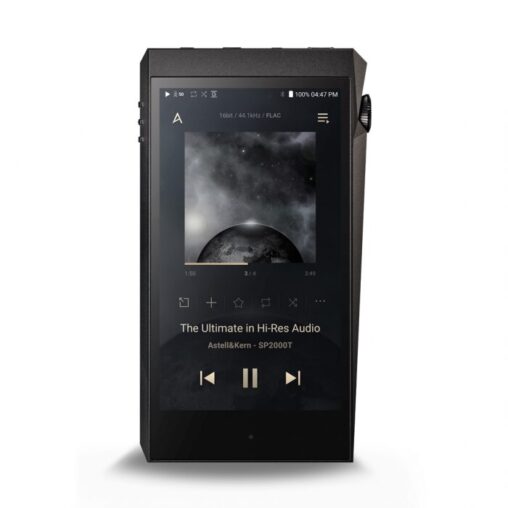
Despite the name, modern “MP3 players” are often portable digital audio players (DAPs) that support multiple audio formats, including high-resolution ones. These devices typically include:
- Support for FLAC, ALAC, WAV, and DSD files
- Higher-quality digital-to-analog converters (DACs)
- More powerful headphone amplifiers
Some smartphones also support hi-res playback, though performance varies depending on the internal audio hardware.
Storage and File Size Considerations
One of the biggest drawbacks of high-resolution audio is file size. A typical MP3 song might take up 5–10MB, while a high-resolution FLAC version of the same track can exceed 100MB.
This impacts:
- Device storage – You’ll need more internal memory or microSD expansion.
- Battery life – Processing high-res files can consume more power.
- Music management – Transferring and backing up large libraries takes longer.
If you carry thousands of songs, high-resolution audio may significantly limit how much music fits on your player.
Streaming vs Local High-Resolution Files
High-resolution audio is no longer limited to downloaded files. Many streaming services now offer lossless or hi-res tiers. However, streaming hi-res audio requires:
- A stable internet connection
- Higher data usage
- Compatible playback hardware
For portable MP3 players without Wi-Fi, local files are still the primary option. This makes storage planning even more important.
Do Your Headphones Matter?
Absolutely. Headphones are often the weakest link in an audio setup. Entry-level earbuds or budget headphones may not reveal the finer details that high-resolution audio provides.
To benefit from hi-res audio, look for:
- Wide frequency response
- Low distortion
- Good driver quality
- Proper impedance matching with your player
Without suitable headphones, the difference between MP3 and high-resolution audio will likely be minimal.
Is High-Resolution Audio Worth It for Everyday Listening?
For most listeners, the convenience of MP3 files still outweighs the benefits of high-resolution audio. MP3s are:
- Small in size
- Widely compatible
- Easy to store and manage
- More than adequate for commuting, workouts, and casual listening
High-resolution audio tends to appeal most to:
- Audiophiles who value sound accuracy
- Listeners with high-end headphones or speakers
- Those who listen attentively in quiet environments
- Music enthusiasts who enjoy collecting studio-quality recordings
When High-Resolution Audio Makes Sense
You may want to consider hi-res audio in your MP3 player if:
- You already own high-quality headphones
- You can hear subtle differences in sound clarity and detail
- Storage capacity is not a concern
- You enjoy critical listening rather than background music
In these cases, the improved dynamics and realism can enhance the listening experience, even if the difference is not dramatic.
Final Verdict: Do You Need It?
High-resolution audio is impressive from a technical standpoint, but it is not essential for everyone. For many people, a high-bitrate MP3 provides excellent sound quality with far greater convenience.
If you’re curious and your equipment supports it, experimenting with a few high-resolution tracks can be a worthwhile experience. However, upgrading your headphones or improving your listening environment will often deliver a bigger improvement than switching file formats alone.
In the end, the best audio format is the one that fits your listening habits, storage needs, and enjoyment of music—whether that’s a compact MP3 or a studio-quality high-resolution file.


 Written by
  Written by