 Written by
 Vehicle decals serve branding, personalization, or informational purposes. Businesses rely on them for mobile advertising, while individuals use them for customization. Over time, decals fade, crack, or lose relevance, making removal necessary. Removing vehicle decals properly protects the paint and preserves the vehicle’s resale value.
Poor removal techniques often damage the clear coat or leave stubborn adhesive residue. Sun exposure and weather conditions can also bond vinyl more aggressively to the surface. Whether you plan to rebrand a fleet vehicle or restore a personal car’s original look, understanding safe removal techniques prevents costly repairs and uneven paint finishes.
Common Types of Vehicle Decals
Vinyl Stickers
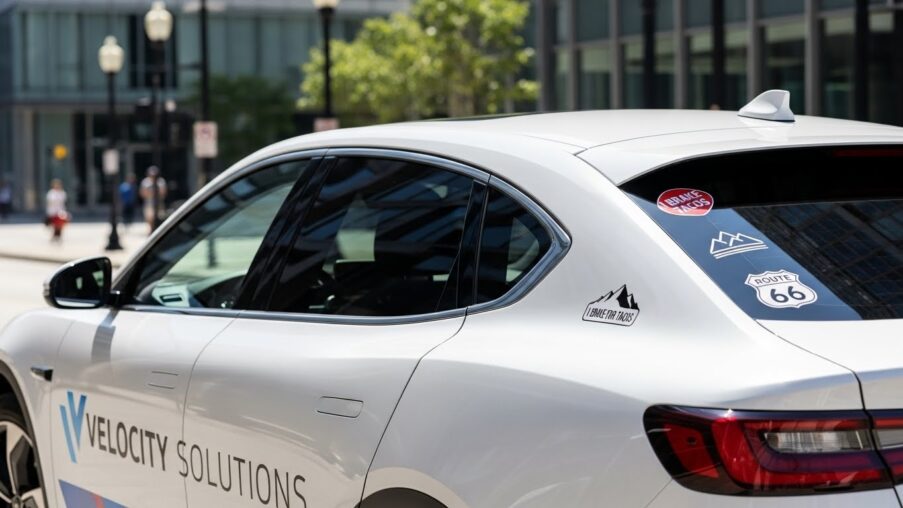
Vinyl stickers represent the most common decal type. Manufacturers design them for durability and weather resistance. These decals adhere firmly to automotive paint, making removal slightly challenging without the right tools.
Short-term vinyl usually peels off easily, while long-term vinyl bonds more aggressively and often leaves residue behind.
Fleet and Commercial Decals
Fleet decals display logos, contact details, and promotional messages. These graphics typically use high-performance vinyl designed to last several years. Removing fleet decals requires extra care to avoid paint ghosting, where the exposed paint looks darker or lighter than the surrounding area.
Commercial vehicles often undergo multiple rebrands, making professional decal removal a frequent requirement.
Partial Wraps and Graphics
Partial wraps cover larger surface areas and use stronger adhesives. Although not full wraps, they still require controlled heat and careful peeling. Improper removal increases the risk of paint damage, especially on older vehicles.
Best Methods for Removing Vehicle Decals Safely
Heat-Based Removal
Heat remains the most effective method for loosening vinyl adhesive. A heat gun or handheld steamer warms the decal, making it flexible and easier to peel.
Consistent, moderate heat works best. Excessive heat damages paint and clear coat. Professionals often prefer steam because it distributes heat evenly and reduces risk.
Chemical Adhesive Removers
After peeling vinyl, adhesive residue often remains. Citrus-based removers and automotive-safe solvents dissolve glue without harming paint. Isopropyl alcohol works well for light residue when applied with a microfiber cloth.
Always test chemicals on an inconspicuous area before full application.
Mechanical and Manual Techniques
Plastic scrapers and detailing clay bars assist with stubborn residue. Metal blades should never touch painted surfaces. Manual peeling works best when combined with heat to prevent tearing.
Pressure washing sometimes helps with newer decals, but it rarely removes older vinyl completely.
Step-by-Step Process for Removing Vehicle Decals at Home
Start by cleaning the surface thoroughly to remove dirt and debris. Dirt trapped under tools increases scratch risk.
Apply heat evenly to one corner of the decal. Once the vinyl softens, lift it gently using your fingernail or a plastic scraper. Pull the decal back slowly at a shallow angle rather than straight up.
Continue applying heat as you peel to keep the adhesive soft. If residue remains, apply an adhesive remover and let it sit briefly. Wipe the area using a microfiber cloth with light pressure.
Finish by washing the area and applying wax or polish to restore shine and protect the paint.
Professional Vehicle Decal Removal vs DIY
DIY removal suits small decals and newer vinyl. It saves money but requires patience and the right tools. Mistakes often occur when users rush or apply excessive force.
Professional services handle complex removals, large graphics, and aged decals. Experienced technicians use controlled heat, specialized solvents, and detailing techniques to minimize paint damage. Businesses managing fleets often choose professionals to ensure consistent results and reduce vehicle downtime.
Factors That Affect the Cost of Removing Vehicle Decals
Several factors influence pricing. Decal size plays a major role, as larger graphics require more time and materials. Vinyl age also matters. Older decals bond tightly and break apart during removal, increasing labor.
Vehicle type affects accessibility. Curved surfaces, textured panels, and recessed areas add complexity. Paint condition also matters, especially if the surface shows prior damage or oxidation.
Professional services may include surface restoration, which adds value but increases cost.
Common Mistakes to Avoid During Decal Removal
Using sharp metal tools often scratches paint and clear coat. Skipping heat causes vinyl to tear, leaving adhesive behind. Applying harsh chemicals damages finishes and dulls paint.
Rushing the process leads to uneven results and surface damage. Ignoring post-removal care, such as polishing or waxing, leaves the paint exposed and dull compared to surrounding areas.
Frequently Asked Questions
Does removing vehicle decals damage paint?
Proper techniques preserve paint, but improper tools and excessive force can cause damage.
How long does it take to remove a car decal?
Small decals take minutes, while large graphics may require several hours.
Can old decals be removed safely?
Yes, but older vinyl often requires more heat and professional-grade adhesive removers.
Is ghosting common after decal removal?
Ghosting occurs when surrounding paint fades differently. Polishing often minimizes the effect.
Should I wash my car after decal removal?
Washing removes chemical residue and prepares the surface for waxing or reapplication.
Is professional removal worth the cost?
For large or aged decals, professional removal reduces risk and saves time.


 Written by
  Written by