 Written by
 Israel’s fashion scene blends Mediterranean comfort with sharp, modern aesthetics. Given the climate, breathable materials like cotton remain a staple for local designers. For fashion brands looking to produce high-quality apparel, understanding the nuances of cotton fabric garmenting is essential.
Starting a production line involves more than just a good design. It requires a reliable supply chain, a grasp of the manufacturing process, and a partner who understands the industry. Companies like Fabriclore Pvt Ltd support this ecosystem, operating as a clothing and manufacturing partner that connects brands with customized fabric solutions and efficient production.
This guide outlines the essential steps to establishing a cotton garment production line for the Israeli market, from material selection to final quality checks.
Understanding Cotton for Garment Production
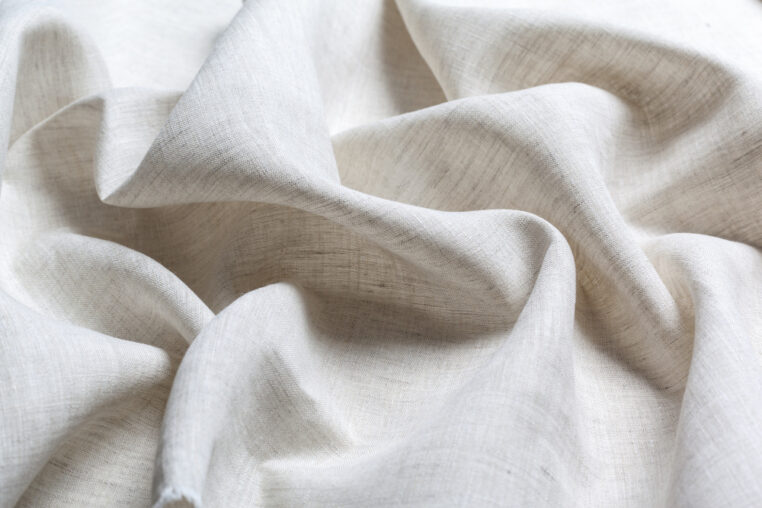
Cotton remains the most popular natural fiber in the textile industry for good reason. It absorbs moisture, withstands frequent washing, and feels soft against the skin—qualities that are non-negotiable for the warm Israeli climate.
However, “cotton” is a broad term. To produce the right garment, you must select the right weave and weight.
Popular Cotton Types for Fashion
- Poplin: A tightly woven fabric with a smooth finish. Brands often use this for crisp button-down shirts and dresses because it holds its shape well.
- Voile: Lightweight and semi-sheer. This is ideal for summer blouses or layered pieces where breathability is the priority.
- Twill: Recognized by its diagonal weave pattern. It is heavier and more durable, making it suitable for jackets and trousers.
- Jersey: A knit cotton fabric rather than woven. It provides stretch and comfort, perfect for t-shirts and casual wear.
Selecting the correct fabric type is the foundation of woven fabric garmenting. If you choose a heavy twill for a summer dress, the product will fail regardless of the design quality.
The Garment Manufacturing Process
Moving from a sketch to a finished product follows a specific sequence. Skipping steps or rushing through them often results in production errors and wasted capital.
1. Design and Tech Pack Creation
Every garment begins with a design file or a “Tech Pack.” This document serves as the blueprint for the manufacturer. It includes measurements, fabric specifications, color codes (Pantone), and trim details (buttons, zippers). Clear communication here prevents costly misunderstandings later.
2. Pattern Making and Sampling
Before mass production, a pattern maker translates your design into paper or digital templates for each part of the garment. You must create a sample prototype. This allows you to check the fit and feel of the cotton. Never approve a full production run without physically inspecting a sample.
3. Cutting
Once you approve the sample, the garment manufacturing process moves to cutting. Manufacturers stack layers of fabric and use industrial cutters to slice through them based on the patterns. Precision is critical here to minimize fabric waste.
4. Sewing and Assembly
Skilled operators stitch the cut pieces together. This stage often involves an assembly line where different stations handle specific tasks—one station might attach sleeves, while another handles collars.
5. Finishing
The final step involves adding buttons, trimming loose threads, ironing, and packaging the garments for shipment.
Navigating the Israeli Market
producing fashion in or for Israel presents unique challenges and opportunities.
Sourcing Materials
While Israel has a rich history in textiles, much of the raw material sourcing now happens globally. Brands often import fabrics to ensure variety and cost-effectiveness. When sourcing cotton, verify the origin and quality. If you are importing materials, be aware of import duties and customs regulations that affect your bottom line.
Labor and Production Partners
Local production allows for faster turnaround times and easier communication. However, labor costs in Israel can be higher compared to manufacturing hubs in Asia. Many Israeli brands adopt a hybrid model: they design locally but partner with international manufacturers like Fabriclore Pvt Ltd that offer tech-enabled platforms to manage garment manufacturing efficiently while maintaining quality standards.
Regulatory Compliance
Textile products sold in Israel must meet specific standards. The Standards Institution of Israel (SII) mandates labeling requirements, including fiber composition and care instructions. Ensure your labels are accurate and bilingual (Hebrew and English) if required for your target demographic.
Quality Control Standards
In woven fabric garmenting, consistency defines your brand reputation. A customer who buys a size medium shirt today expects the same fit from a size medium shirt next year.
Quality control (QC) is not a one-time event; it must happen at three distinct stages:
- Pre-production: Check the raw fabric for defects, color consistency, and shrinkage before cutting.
- In-line Inspection: Inspect garments while they are being sewn. This catches errors early, such as crooked seams or mismatched patterns, so they can be fixed immediately.
- Final Inspection: Examine the finished product before packaging. Check for loose threads, verify measurements against the tech pack, and ensure zippers and buttons function correctly.
Establishing strict QC protocols minimizes returns and builds trust with your customers.
Integrating Sustainable Practices
Consumers increasingly demand transparency regarding how their clothes are made. For a cotton brand, sustainability is a strong competitive advantage.
Eco-Friendly Cotton
Consider using Global Organic Textile Standard (GOTS) certified organic cotton. This certification ensures the cotton is grown without toxic pesticides and processed with strict environmental and social standards.
Waste Reduction
Efficient marker planning during the cutting phase significantly reduces fabric scrap. Additionally, many brands now look for manufacturers who recycle water during the dyeing process or use solar energy in their facilities.
Ethical Manufacturing
Ensure your manufacturing partners treat their workers fairly. Certifications like SA8000 indicate that a factory meets high social performance standards. Brands that prioritize ethical garment manufacturing often find deeper loyalty among their customer base.
Next Steps for Your Brand
Building a cotton garment line requires attention to detail, from selecting the right poplin weave to ensuring the final stitch is secure. The Israeli market values quality and comfort, and meeting these demands takes a systematic approach to production.
Whether you choose to manufacture locally or work with international partners like Fabriclore Pvt Ltd, success comes from rigorous planning, strict quality control, and a clear understanding of your materials.
Start by refining your tech packs and sourcing high-quality samples. The foundation you build today determines the longevity of your fashion brand tomorrow.

 Written by
 Written by