 Written by
 Introduction: Redefining Efficiency in Primary Care Through Intelligent Virtual Support
Primary care practices are the backbone of modern healthcare, serving as the first point of contact for patients and managing an ever-increasing volume of administrative and clinical responsibilities. From appointment scheduling and patient intake to clinical documentation and follow-up coordination, today’s primary care providers are expected to deliver exceptional patient experiences while maintaining accuracy, compliance, and efficiency. Yet, growing patient demands, staffing shortages, and administrative burnout are placing unprecedented strain on practices of all sizes.
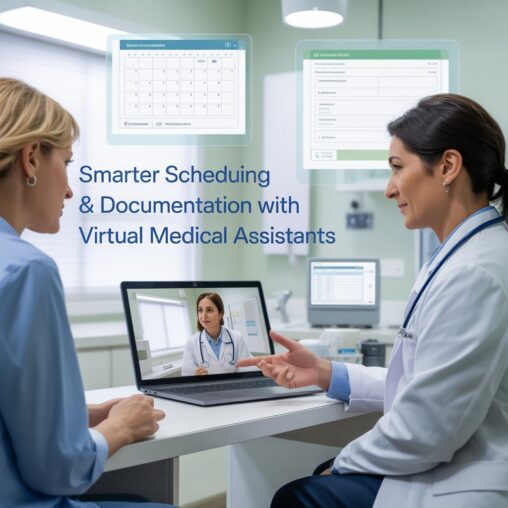
This is where Virtual Medical Assistants (VMAs) are transforming the future of primary care. By combining healthcare expertise with remote operational support, VMAs enable practices to streamline scheduling, optimize documentation, and reclaim valuable clinical time. Rather than replacing in-house teams, virtual medical assistants work as an extension of your practice—trained to follow your workflows, adapt to your systems, and support your goals.
In this comprehensive guide, we explore how virtual medical assistant services empower primary care practices with smarter scheduling and more accurate documentation, reduce operational burdens, improve patient satisfaction, and create a more sustainable healthcare delivery model.
The Growing Administrative Challenge in Primary Care
Primary care physicians and staff spend a significant portion of their day on non-clinical tasks. Studies consistently show that providers spend nearly as much time on documentation as they do with patients, contributing to burnout and reduced job satisfaction.
Key challenges include:
- Overbooked or inefficient appointment schedules
- High no-show and cancellation rates
- Delayed or incomplete clinical documentation
- EHR overload and data entry fatigue
- Limited staff resources to handle growing patient volumes
Without the right support, these challenges can lead to longer wait times, frustrated patients, and reduced quality of care.
What Is a Virtual Medical Assistant?
A Virtual Medical Assistant is a trained healthcare professional who works remotely to support medical practices with administrative, clinical, and operational tasks. Unlike generic virtual assistants, VMAs are specifically trained in:
- Medical terminology
- EHR and practice management systems
- HIPAA compliance
- Clinical workflows and documentation standards
Through virtual medical assistant services, primary care practices gain access to skilled support without the overhead costs of hiring, training, and maintaining full-time, on-site staff.
Smarter Scheduling: How Virtual Medical Assistants Optimize Appointments
1. Intelligent Appointment Management
Virtual medical assistants manage appointment scheduling with precision and consistency. They handle:
- New patient scheduling
- Follow-up appointment coordination
- Same-day and urgent visit scheduling
- Appointment confirmations and reminders
By following predefined scheduling rules, VMAs ensure optimal utilization of provider time while minimizing gaps and overbooking.
2. Reducing No-Shows and Last-Minute Cancellations
Missed appointments cost primary care practices thousands of dollars annually. Virtual medical assistants proactively reduce no-shows by:
- Sending automated and personalized reminders
- Confirming appointments via phone, text, or email
- Rescheduling cancellations promptly to fill open slots
This results in improved patient attendance and more predictable daily schedules.
3. Patient-Centric Scheduling Experience
Patients today expect convenience. VMAs provide responsive, professional communication that improves the patient experience by offering:
- Quick appointment availability checks
- Clear instructions and preparation guidelines
- Friendly support for rescheduling or inquiries
This level of attentiveness builds trust and strengthens patient relationships.
Documentation Excellence: How VMAs Improve Clinical Accuracy
1. Real-Time and Post-Visit Documentation Support
One of the most valuable aspects of virtual medical assistant services is documentation assistance. VMAs help with:
- Clinical note preparation
- Chart updates and record maintenance
- Post-visit summaries
- Referral and follow-up documentation
This ensures records are accurate, complete, and updated promptly.
2. EHR Proficiency and Workflow Alignment
Virtual medical assistants are trained to work within your existing EHR system, whether it’s Epic, Cerner, Athenahealth, eClinicalWorks, or others. They adapt to your documentation standards, templates, and workflows—ensuring consistency across all patient records.
3. Reducing Provider Burnout
By offloading documentation tasks, providers can:
- Spend more time with patients
- Reduce after-hours charting
- Focus on clinical decision-making rather than data entry
This leads to improved provider satisfaction and long-term retention.
Enhancing Care Coordination and Continuity
Virtual medical assistants play a vital role in improving care coordination by managing:
- Referral tracking and follow-ups
- Test result documentation
- Communication between providers, labs, and patients
- Chronic care documentation
This ensures no critical detail is missed and patients receive timely, coordinated care.
Compliance, Accuracy, and HIPAA Security
Primary care practices must adhere to strict regulatory standards. Professional virtual medical assistant services are built on compliance and security, offering:
- HIPAA-trained assistants
- Secure access protocols
- Confidential handling of patient data
- Standardized documentation practices
This minimizes compliance risks while maintaining the highest standards of data security.
Cost-Effective Staffing Without Compromise
Hiring, training, and retaining in-house staff is costly and time-consuming. Virtual medical assistants provide a scalable alternative by offering:
- Reduced overhead costs
- Flexible staffing models
- No expenses for office space, equipment, or benefits
- Immediate access to trained professionals
Practices can scale support up or down based on patient volume and seasonal demand.
Improving Patient Satisfaction and Practice Reputation
Efficient scheduling and accurate documentation directly impact patient satisfaction. When patients experience:
- Shorter wait times
- Organized visits
- Clear communication
- Accurate medical records
They are more likely to trust your practice, follow care plans, and recommend your services to others.
Supporting Value-Based Care and Practice Growth
As healthcare shifts toward value-based care, primary care practices must demonstrate quality outcomes and operational efficiency. Virtual medical assistants support this transition by:
- Ensuring complete and accurate documentation
- Supporting quality reporting initiatives
- Improving patient engagement and follow-ups
- Enhancing workflow efficiency
These positions practice for long-term growth and success in a competitive healthcare landscape.
Customization: VMAs Tailored to Your Practice
No two primary care practices are alike. Professional virtual medical assistant services begin with a thorough understanding of your:
- Practice size and specialty focus
- Patient demographics
- Scheduling rules and preferences
- Documentation requirements
- Technology stack
This ensures your virtual assistant integrates seamlessly into your operations.
The Future of Primary Care Is Hybrid and Virtual-Enabled
The adoption of virtual support models is no longer optional—it’s a strategic advantage. As patient expectations rise and administrative complexity grows, primary care practices that embrace virtual medical assistants are better equipped to:
- Deliver high-quality, patient-centered care
- Maintain operational efficiency
- Reduce burnout
- Adapt to evolving healthcare demands
Conclusion: Empowering Primary Care Through Smarter Support
Virtual medical assistants are redefining how primary care practices operate. By enabling smarter scheduling and more efficient documentation, they free providers from administrative overload and allow them to focus on what truly matters—patient care.
Through reliable, compliant, and customized virtual medical assistant services, primary care practices can enhance productivity, improve patient satisfaction, and build a resilient foundation for future growth. In an era where efficiency and quality are inseparable, virtual medical assistants are not just support staff—they are strategic partners in healthcare excellence.


 Written by
 Written by