 Written by
 When you hear the patter of rain on your roof, what do you envision? For many, it’s a cozy day indoors. But for a growing number of homeowners, gardeners, and eco-enthusiasts, that sound is the music of opportunity—a free, clean resource literally flowing from the sky, waiting to be captured.
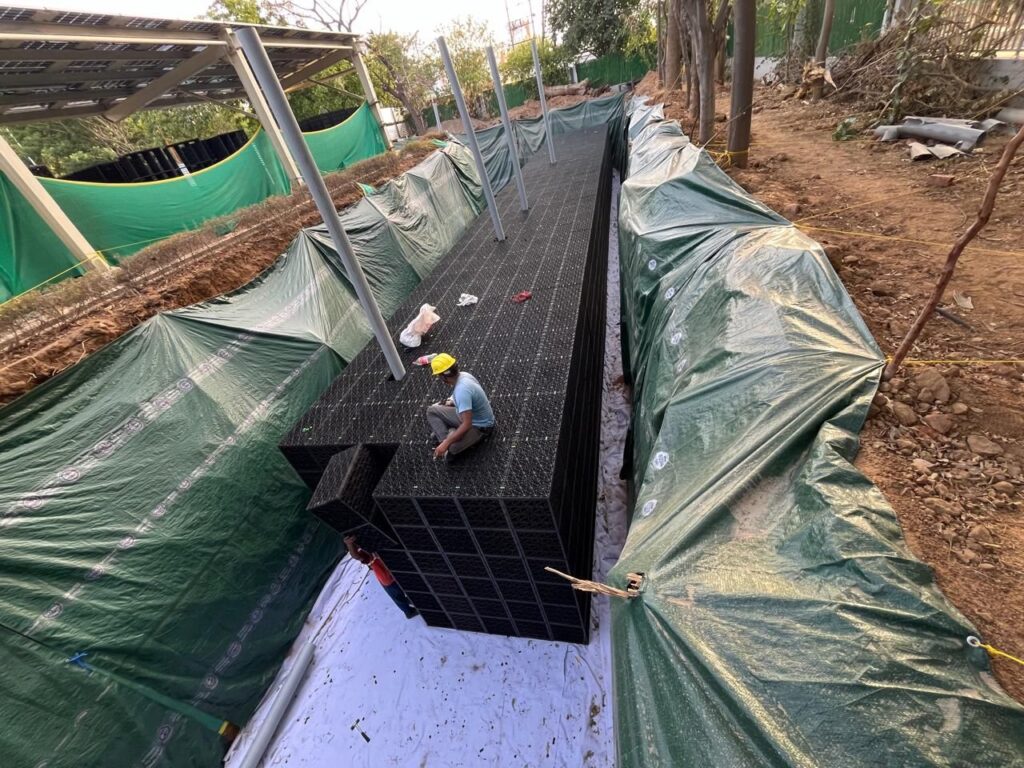
Rainwater harvesting system isn’t a new concept; it’s an ancient practice experiencing a powerful modern revival. Moving beyond the simple rain barrel, sophisticated systems can now integrate seamlessly with your home’s plumbing. But what exactly makes this practice so compelling? The benefits extend far beyond just lowering your water bill. Let’s dive into the many reasons why harvesting rainwater is a win for your wallet, your garden, and the planet.
1. Significant Financial Savings: Putting Money Back in Your Pocket
This is the benefit that often gets the most immediate attention, and for good reason. Water is a utility, and utilities cost money.
- Reduced Water Bills: By using harvested rainwater for non-potable (non-drinking) uses like watering your lawn, washing your car, and flushing toilets, you can slash your municipal water consumption by 30% to 50% or more. This is a direct, tangible saving that adds up significantly over the course of a year.
- Lower Infrastructure Costs: In areas with combined sewer systems, a rainwater harvesting pit can reduce the volume of stormwater you contribute to the public system. Some municipalities even offer stormwater fee credits or rebates for installing such systems, providing an upfront financial incentive.
- Protection from Water Restrictions: During summer droughts or periods of water scarcity, municipalities often impose watering restrictions. If you have a robust Roof top rainwater harvesting system, you have your own private reserve to keep your prized garden and lawn healthy without breaking any rules or paying premium prices.
2. A Superior Resource for Your Garden: The “Champagne” of Water
Your plants don’t just tolerate rainwater; they prefer it. Tap water is treated with chlorine and chloramines to make it safe for human consumption. While harmless to us, these chemicals can affect the delicate microbial life in the soil. Rainwater is naturally:
- Soft and Chemical-Free: Free of chlorine, salts, and minerals (like calcium and lime) often found in groundwater. This makes it ideal for watering sensitive plants, filling fish ponds, and for use in hydroponic systems.
- Slightly Acidic: Most tap water is neutral to slightly alkaline. Rainwater, however, is naturally slightly acidic, which is perfect for helping plants access essential nutrients in the soil, such as nitrogen, phosphorus, and potassium. You’ll often notice your plants are greener and more vibrant when consistently watered with rain.
3. Powerful Environmental Stewardship: Be Part of the Solution
In an era of climate change and increasing water stress, harvesting rainwater is a proactive step toward environmental resilience.
- Reduced Stormwater Runoff: This is a massive, often overlooked benefit. In urban and suburban areas, impervious surfaces like roofs, driveways, and roads prevent rainwater from soaking naturally into the ground. Instead, it becomes “runoff,” picking up pollutants like oil, fertilizers, and pet waste and carrying them directly into our rivers and streams. By capturing rainwater, you prevent your roof’s contribution to this polluted runoff, protecting local waterways from erosion and contamination.
- Groundwater Recharge: While a standard system captures water for use, you can also design one that prioritizes Ground water recharge system replenishment. By diverting excess harvested water to a rain garden or a simple infiltration pit, you can slowly percolate the water back into the aquifer, helping to combat the dropping water tables that plague many regions.
- Conservation of Energy and Resources: Treating and pumping municipal water is an energy-intensive process. By reducing the demand on the public water supply, you are indirectly reducing the energy consumption and associated carbon emissions of your local water treatment facility. It’s a green choice from start to finish.
4. Enhanced Water Security and Self-Sufficiency
Your own water supply means a degree of independence.
- A Backup Supply: While not typically treated for drinking without advanced filtration, stored rainwater can be a crucial emergency backup for sanitation and hygiene during a municipal water outage or natural disaster.
- Independence from Municipal Systems: For those on unreliable water systems or looking to live a more self-reliant lifestyle, a large-capacity rainwater harvesting system can provide a primary or significant secondary source of water for all non-potable needs.
5. A Solution for Unique Water Challenges
Rainwater harvesting provides elegant answers to specific water problems.
- Eliminating Seawater Intrusion in Coastal Areas: In coastal regions, over-pumping of Rainwater harvesting recharge pit can cause saltwater to seep into freshwater aquifers, ruining the water supply. Using rainwater reduces this pressure and protects the aquifer.
- Preventing Foundation Erosion: In areas with expansive clay soils, heavy rain can cause the soil to swell and then shrink as it dries, leading to foundation cracks and damage. By directing downspouts into a harvesting system and away from your foundation, you can help maintain stable soil moisture levels around your home.
Getting Started: It’s Easier Than You Think
You don’t need a complex, whole-house system to start reaping the benefits. A simple rain barrel is a fantastic and affordable first step that allows you to Modular rainwater harvesting your garden with free, untreated water. For those ready to make a bigger impact, integrated systems with underground tanks, pumps, and filtration can be plumbed directly into your home for toilet flushing and laundry.
A Final Thought
Investing in a rainwater harvesting system is more than just a home improvement project. It’s a conscious choice to live more sustainably, save money, and become an active steward of our planet’s most precious resource. The next time it rains, listen closely. That’s not just weather; it’s liquid asset falling freely from the sky, offering a wealth of benefits just waiting to be tapped.
Visit for more info:

 Written by