 Written by
 Modern healthcare is shifting toward a more inclusive, personalized approach, one that recognizes that no two bodies, conditions, or abilities are the same. For decades, medical tools were designed with a one-size-fits-all mindset, leaving many people with disabilities struggling to adapt to equipment that didn’t meet their physical or cognitive needs. Today, technology and human-centered design are transforming that experience. Customizable medical tools are bridging the gap between comfort, accessibility, and independence, allowing people of all abilities to manage their health with dignity and ease.
Accessibility in healthcare is no longer limited to physical ramps or adjustable beds. It now extends to the very tools and technologies that support daily health routines. From adaptive blood pressure cuffs to adjustable mobility aids and voice-assisted medical apps, inclusive design ensures that everyone, regardless of ability, can interact with their medical devices effectively. These innovations not only improve usability but also empower patients to take ownership of their health management. One particularly practical example is the Washable QR code clothing tag, a small but powerful tool that carries personalized medical information. Embedded discreetly into garments, it links to an individual’s digital health profile, making vital details accessible to caregivers or first responders without compromising comfort or privacy. This kind of everyday customization reflects how healthcare technology can be both inclusive and convenient
Need for Inclusive Medical Design
For individuals living with disabilities or long-term health conditions, standard medical equipment can often be frustrating or even unusable. Simple tasks such as measuring blood pressure, taking medication, or wearing medical alert devices may require additional support or specialized design. Inclusive medical design focuses on bridging these gaps by adapting tools to each person’s unique abilities, environment, and preferences.
Traditional healthcare devices often assume a certain level of dexterity, vision, or cognition, which isn’t always possible for everyone. For example, older adults with arthritis may find standard medication bottles difficult to open, while individuals with visual impairments might struggle with digital readouts or tiny control buttons. Customizable medical tools solve these challenges by offering adjustable components, tactile feedback, or alternative communication methods, such as audio alerts and QR-coded data storage.
What Makes Medical Tools “Customizable”
Customization means that medical tools are designed to fit the user, not the other way around. The process considers personal health needs, mobility limitations, sensory differences, and even aesthetic preferences. Adjustability and modularity are key features. Some tools allow for interchangeable parts, adjustable grips, or varied textures that improve handling and comfort.
Customizable tools also include digital adaptability. Many modern devices connect to smartphones or assistive applications, giving users the flexibility to control their tools through voice commands or screen readers. For instance, adaptive glucose monitors can sync with apps that offer large text displays for users with vision challenges. Personalized pill organizers can remind users to take medications through tactile or audible alerts.
Moreover, personalization adds a human touch and a reflection of individuality in a field that often feels clinical. When people can tailor their equipment to their preferences, they are more likely to use it consistently, improving both compliance and health outcomes.
Technology and Innovation in Personalization
Innovation has made customization easier and more affordable. Technologies like 3D printing, smart sensors, and digital scanning allow medical tools to be designed around a person’s exact body measurements or motor capabilities. A 3D-printed brace, for example, can offer precise support while remaining lightweight and breathable.
Smart medical devices equipped with sensors can detect changes in movement, posture, or body temperature, automatically adjusting to ensure comfort and safety. In hospitals, wearable monitors are now tailored to minimize skin irritation and fit a wider range of body types.
Digital tools further enhance personalization. QR-coded medical IDs, smart wearables, and AI-powered monitoring systems help individuals store and share their health data securely. These innovations are not just about convenience, they’re about inclusion, ensuring that technology works for everyone, not just those who fit a standard mold.
Empowerment Through Personalization
At its core, customization in healthcare is about empowerment. When individuals have access to tools that respect their physical and cognitive differences, they gain independence and confidence. Using a medical device that fits comfortably and functions smoothly promotes a sense of ownership, a powerful motivator for consistent health management.
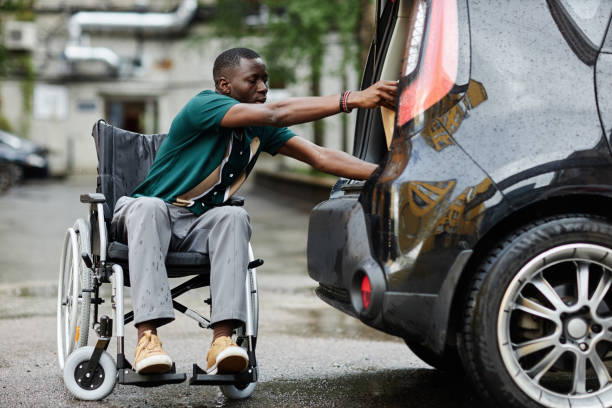
For example, adaptive wheelchairs or mobility aids tailored to a user’s posture and strength can drastically improve comfort and reduce fatigue. Similarly, customized hearing aids or communication devices allow users to express themselves freely and participate in everyday life without barriers.
Beyond physical comfort, the psychological benefits of customization are profound. It reinforces the idea that everyone deserves equal access to care. When medical tools are inclusive, they communicate respect not just for health needs, but for individuality and dignity.
Future of Accessible Medical Technology
The future of medical technology is personalized, intelligent, and inclusive. Artificial intelligence (AI) is already transforming how devices respond to users’ needs in real time. For example, AI-driven prosthetics can learn and adapt to a user’s movements, while smart inhalers track medication use and provide reminders through connected apps.
As personalization evolves, accessibility will remain at its core. QR-coded systems, such as those embedded in medical tags or washable clothing labels, will play a growing role in integrating personal data securely and conveniently. Meanwhile, 3D printing will continue to democratize access to custom medical equipment by making production faster and more affordable.
Sustainability will also become a focus developers are working to create eco-friendly adaptive tools using biodegradable or washable materials. These advancements ensure that inclusive healthcare remains both practical and environmentally responsible.
Why Customization Matters for All Abilities
Every person’s health journey is different, and customizable medical tools honor that diversity. They give people with disabilities and chronic conditions the ability to participate in their care actively rather than passively. This autonomy strengthens trust between patients and healthcare providers, improving treatment adherence and quality of life.
Inclusive design isn’t a luxury; it’s a necessity for equitable healthcare. It challenges outdated assumptions about ability and accessibility, replacing them with empathy, innovation, and respect. When medical tools reflect real-world diversity, healthcare systems become not only more effective but also more humane.
Conclusion
Customizable medical tools represent a new era of inclusive healthcare, one where every design begins with the user’s needs, not limitations. By merging technology with empathy, these tools enhance independence, safety, and well-being for people of all abilities.
From 3D-printed orthotics to adaptive digital wearables and washable QR-coded medical tags, innovation continues to prove that accessibility and personalization can go hand in hand. As healthcare evolves, inclusivity must remain its foundation. Because when medical tools are designed for everyone, everyone benefits, and that’s the true definition of progress in care.


 Written by