 Written by
 Outdoor construction is one of the toughest and most demanding work environments. Workers face unpredictable weather, uneven terrain, heavy materials and long hours on their feet. In such conditions, footwear isn’t just part of a uniform—it’s critical protective equipment that directly affects comfort, safety and job performance. Among the many types of safety footwear available, waterproof work boots stand out as one of the most important essentials for outdoor construction workers.
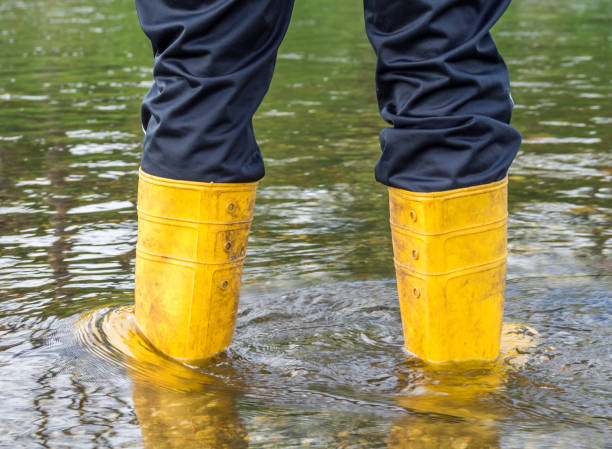
Whether it’s navigating muddy worksites, working in the rain, or dealing with concrete slurry, waterproof boots play a vital role in protecting workers from hazards and supporting them through strenuous tasks.
1. Protection Against Weather and Moisture
Outdoor construction exposes workers to the elements year-round. Rain, afternoon storms, wet grass, puddles, and waterlogged surfaces are common challenges. Wearing standard work boots without waterproof protection can quickly lead to soaked socks, cold feet, and discomfort that lasts all day.
Waterproof work boots feature sealed seams, water-repellent materials, and moisture-proof membranes that stop water from penetrating the footwear. This ensures workers remain dry even in the harshest weather conditions. Dry feet aren’t just about comfort—they reduce the risk of blisters, fungal infections and prolonged discomfort that can distract workers and impact performance.
Having reliable waterproof footwear can also reduce downtime. Workers don’t need to stop to change socks, switch boots, or deal with discomfort caused by wet conditions. Over time, this contributes to improved productivity and consistent work output.
2. Preventing Slips, Trips and Falls
Slippery surfaces are one of the leading causes of workplace injuries, especially in outdoor settings. Wet surfaces, muddy areas, gravel and metal platforms all pose slip hazards. Waterproof work boots are often designed with slip-resistant outsoles that provide exceptional grip and stability.
These boots use specialised tread patterns and durable rubber compounds that channel water away and increase traction. This reduces the likelihood of slipping when walking across wet slabs, climbing ladders, or working on uneven ground.
The combination of waterproof protection and advanced slip resistance helps reduce accidents, making these boots essential for maintaining a safer worksite.
3. Enhanced Comfort for Long Hours
Construction workers often spend 8 to 12 hours on their feet, sometimes in cold or wet conditions. Prolonged exposure to dampness or poorly insulated footwear can lead to numbness, discomfort, or even long-term foot health issues.
Waterproof work boots usually come with added features that enhance all-day comfort, such as:
- Cushioned midsoles for better shock absorption
- Arch support to reduce strain on the feet and lower back
- Breathable waterproof membranes that keep water out while allowing airflow
- Insulation options for cold weather environments
These features ensure workers can perform demanding physical tasks without being limited by fatigue or discomfort. Comfortable boots help maintain energy, reduce stress on joints, and support overall job performance.
4. Durability in Harsh Outdoor Conditions
Outdoor construction sites can be extremely tough on footwear. Water, mud, sharp rocks, concrete dust, and abrasive surfaces all contribute to wear and tear. Low-quality boots can deteriorate quickly under such conditions, making frequent replacements necessary.
Waterproof work boots are built with durability in mind. They generally include:
- Full-grain or treated leather
- Reinforced stitching
- Sealed seams
- Heavy-duty outsoles
- Abrasion-resistant uppers
This construction ensures they withstand the rigours of outdoor work and last significantly longer than standard work boots. Investing in a durable waterproof pair ultimately saves money in the long run.
5. Protection Against Chemical and Debris Exposure
Outdoor construction workers may also be exposed to harmful substances such as concrete slurry, solvents, oils, and construction chemicals. When these liquids seep into regular boots, they can irritate the skin or eat away at materials, weakening the footwear.
Waterproof boots with sealed membranes help prevent fluid penetration, protecting the worker’s skin from contact with potentially hazardous substances. This barrier also extends the lifespan of the boot by preventing chemical damage to the interior lining.
Additionally, waterproof work boots often come with:
- Toe protection (steel, composite or aluminium)
- Puncture-resistant midsoles
- Impact and compression resistance
This makes them suitable for rough environments filled with nails, debris and heavy machinery.
6. Maintaining Warmth in Cold Weather
For construction projects that continue through winter or in colder climates, waterproof boots are essential for thermal protection. Cold, wet feet can quickly lead to discomfort, numbness, or even frostbite in extreme cases.
Many waterproof boots are designed with insulation layers that trap heat and keep the feet warm without making the boots overly bulky. The waterproof membrane also prevents cold wind and water from penetrating, maintaining a stable temperature inside the footwear.
Warm, dry feet help workers stay focused and productive, enabling them to work efficiently even in challenging weather conditions.
7. Supporting Better Foot Health
Wet feet create the perfect environment for foot problems such as:
- Athlete’s foot
- Blisters
- Fungal infections
- Sores
- Softened skin prone to abrasions
By keeping moisture out, waterproof boots protect against these common issues. Many modern waterproof boots also include antimicrobial linings to reduce odours and support healthier feet.
Healthy feet are vital for construction workers who rely on mobility and stability to perform their jobs safely.
8. Improving Overall Safety Compliance
Construction employers have a responsibility to provide safe working conditions. This often includes ensuring that workers wear appropriate protective gear. In environments where exposure to water or slippery surfaces is common, waterproof boots are not just a convenience—they’re a necessity.
High-quality waterproof work boots that meet safety standards (such as AS/NZS 2210.3) help ensure compliance with workplace safety regulations. This reduces liability for employers and gives workers confidence that their gear is up to the task.
9. Long-Term Cost Effectiveness
While waterproof work boots often cost more upfront than non-waterproof alternatives, they offer better long-term value. Their durability and protective features help reduce:
- Boot replacement frequency
- Days lost to injuries
- Doctor visits for foot-related issues
- Productivity loss from discomfort
Choosing waterproof boots is an investment in safety and comfort that pays off over time.
Final Thoughts
For outdoor construction workers, waterproof work boots are far more than just another piece of footwear. They’re essential protection against weather, hazards, moisture and the demanding nature of the job. By keeping feet, dry, warm, stable and supported, waterproof boots help workers perform safely and efficiently—no matter the conditions.
Investing in a high-quality pair isn’t just a smart choice; it’s a necessary one for anyone working in environments where water, mud and unpredictable weather are part of the daily routine. Whether you’re an employer looking to protect your team or a tradesperson looking to upgrade your gear, waterproof work boots offer the protection and performance needed to get the job done right.


 Written by
 Written by