 Written by
 Urban forests are vital to the health and well-being of cities. They provide shade, reduce air pollution, improve water quality, mitigate urban heat, and enhance the aesthetic and social value of neighborhoods. Moreover, they support biodiversity by offering habitats for birds, insects, and other wildlife. However, urban trees face numerous challenges, including pests, diseases, and environmental stressors. This is where tree disease specialists play a crucial role. By managing and preventing tree diseases, these experts help preserve urban forests and maintain ecological balance.
Understanding the Threats to Urban Trees
Urban trees face unique pressures that make them more susceptible to diseases than their rural counterparts. Common threats include:
- Fungal infections: Diseases like powdery mildew, anthracnose, and root rot can weaken trees, reduce growth, and even cause death if untreated.
- Insect infestations: Pests such as borers, aphids, and scale insects can damage foliage, bark, and vascular systems.
- Environmental stress: Soil compaction, pollution, drought, and improper pruning can stress trees, making them more vulnerable to disease.
- Invasive species: Exotic pests and pathogens can spread rapidly, often with devastating effects on local tree populations.
Unchecked, these threats can lead to a decline in urban canopy cover, loss of biodiversity, and increased maintenance costs for municipalities.
The Role of Tree Disease Specialists
Tree disease specialists, often certified arborists or plant pathologists, combine scientific knowledge with practical experience to protect urban forests. Their work involves:
1. Diagnosis and Monitoring
Specialists begin by assessing tree health through careful inspection. They look for symptoms such as leaf discoloration, unusual bark patterns, dieback, or fungal growth. Advanced diagnostic tools, including laboratory testing and soil analysis, help identify the specific pathogens or pests affecting trees. Regular monitoring allows early detection, which is critical for effective intervention.
2. Preventative Treatments
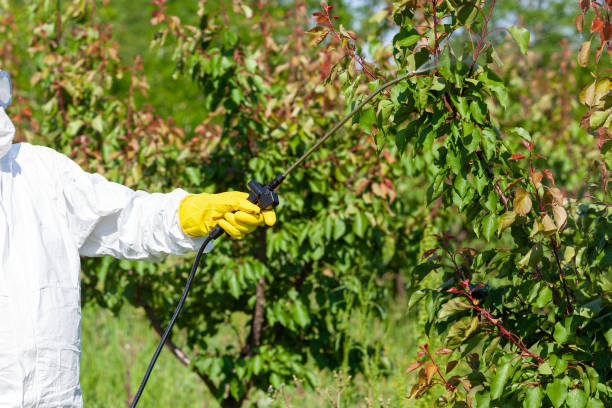
Prevention is always more effective than cure. Tree disease specialists implement measures such as systemic injections, soil treatments, and targeted pruning to prevent the onset of diseases. For instance, powdery mildew treatment through systemic fungicides can protect leaves and ensure the tree continues to photosynthesize efficiently. Preventative strategies reduce the risk of large-scale outbreaks and protect the urban ecosystem.
3. Targeted Pest and Disease Management
When a tree is infected, specialists develop a treatment plan tailored to the specific disease or pest. This may include:
- Fungicide or insecticide injections directly into the tree’s vascular system.
- Biological control methods that introduce natural predators of the pests.
- Integrated Pest Management (IPM) strategies combining cultural, chemical, and biological measures.
By using targeted treatments, tree disease specialists minimize the impact on surrounding plants, wildlife, and soil health.
4. Tree Preservation and Risk Mitigation
In urban areas, diseased trees can pose safety hazards, such as falling branches or unstable trunks. Specialists evaluate structural integrity and determine whether treatment, bracing, or, in extreme cases, removal is necessary. Preserving trees whenever possible ensures continued ecosystem benefits while mitigating risks to people and property.
Supporting Urban Biodiversity
Healthy urban trees are essential for biodiversity. They provide food and shelter for birds, insects, and other wildlife. Tree disease specialists contribute to biodiversity conservation by:
- Preventing the spread of invasive diseases that could wipe out key tree species.
- Protecting native species that form the backbone of urban ecosystems.
- Ensuring a diverse mix of tree species to reduce vulnerability to disease outbreaks.
By maintaining tree health, specialists help sustain complex ecological networks within cities, allowing both flora and fauna to thrive.
Community and Environmental Benefits
The work of tree disease specialists extends beyond individual trees. Healthy urban forests offer multiple social and environmental benefits:
- Climate mitigation: Trees sequester carbon dioxide, helping reduce urban greenhouse gas levels.
- Air quality improvement: Trees filter pollutants, improving respiratory health for city residents.
- Mental and physical health: Access to green spaces has been shown to reduce stress, encourage physical activity, and enhance overall well-being.
- Property value enhancement: Mature, healthy trees increase property attractiveness and market value.
By preserving urban trees, specialists indirectly improve quality of life for urban communities while safeguarding ecosystem services.
The Importance of Early Intervention
Early intervention is key to successful tree disease management. Treating a disease at its initial stage increases the likelihood of recovery and reduces treatment costs. Preventative measures, such as powdery mildew treatment, soil nutrition management, and regular monitoring, can make a significant difference in tree survival rates. Communities and municipalities that invest in early interventions often see long-term savings and healthier urban forests.
Choosing the Right Tree Disease Specialist
Selecting an experienced and certified tree disease specialist is essential. Key considerations include:
- Certifications and qualifications: Look for arborists certified by recognized industry bodies.
- Experience with local tree species: Specialists familiar with regional pests and diseases can provide tailored solutions.
- Integrated approach: The best specialists use a combination of preventative care, treatment, and monitoring.
- Sustainability focus: Treatments should minimize environmental impact and promote long-term tree health.
Professional tree disease management ensures that urban forests are resilient, sustainable, and capable of supporting biodiversity.
Conclusion
Tree disease specialists play an indispensable role in preserving urban forests and maintaining biodiversity. Through early diagnosis, preventative treatments, targeted interventions, and sustainable management practices, they protect trees from pests, diseases, and environmental stressors. Healthy trees, in turn, support urban ecosystems, provide habitat for wildlife, and deliver a wide array of social and environmental benefits.
As cities continue to expand and face climate-related challenges, investing in tree disease management is not merely an aesthetic choice — it is a critical strategy for safeguarding urban biodiversity, ensuring the resilience of green infrastructure, and enhancing the quality of life for urban communities. By recognizing the expertise of tree disease specialists, municipalities and residents alike can contribute to thriving, sustainable urban forests that endure for generations.


 Written by
  Written by