 Written by
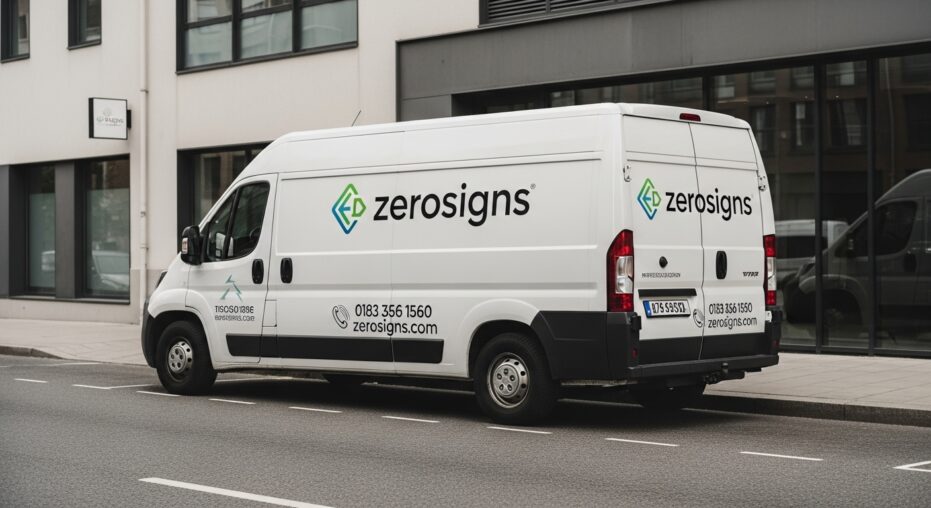
 Modern van sign writing has evolved far beyond simple lettering on vehicle doors. Today, it plays a strategic role in branding, advertising, and customer trust. Businesses now treat their vans as moving billboards that communicate professionalism, reliability, and identity. With advances in design software, vinyl materials, and printing technology, modern van sign writing delivers high visual impact while remaining cost-effective for businesses of all sizes.
What Is Modern Van Sign Writing?
Modern van sign writing refers to professionally designed graphics, lettering, and branding applied to commercial vehicles using high-quality vinyl materials. Unlike traditional hand-painted signage, modern techniques rely on digital design and precision-cut or printed vinyl that ensures consistency and durability.
This approach allows businesses to display logos, contact details, services, and brand colours clearly and attractively. The focus remains on clean design, legibility, and alignment with overall brand identity. Modern sign writing adapts to different van sizes and shapes, ensuring that the design enhances the vehicle rather than overwhelming it.
Businesses across industries use van sign writing as a long-term marketing asset. Tradespeople, delivery services, installers, and service providers all benefit from constant brand exposure without recurring advertising costs.
Why Van Sign Writing Matters in Today’s Market
Competition has intensified across local and national markets. Customers often encounter multiple service providers offering similar solutions. In this environment, visibility and credibility influence decision-making.
Modern van sign writing creates instant brand recognition. A well-designed van signals professionalism before any interaction occurs. When potential customers repeatedly see a branded vehicle in their area, familiarity builds trust.
Unlike digital ads that disappear when budgets pause, vehicle signage works continuously. Whether parked on a street or driving through traffic, a branded van promotes the business without interruption. This form of mobile advertising delivers impressions daily, often at a lower lifetime cost than online campaigns.
Key Elements of Effective Modern Van Sign Writing
Clear Messaging and Readability
Successful van sign writing prioritizes clarity. Viewers often see vans briefly while walking or driving, so messaging must remain simple and direct. Essential information typically includes the business name, core service, and contact method.
Overloading the design with excessive text reduces impact. Modern layouts focus on essential details and allow spacing to improve legibility. Larger fonts and concise wording ensure information registers quickly.
Colour, Contrast, and Typography
Colour selection influences how a brand feels and how easily it stands out. High contrast between text and background improves visibility in different lighting conditions. Modern van graphics often use brand colours strategically rather than covering the entire vehicle.
Typography choices also matter. Clean, sans-serif fonts dominate modern sign writing because they remain readable at a distance. Designers avoid decorative fonts that reduce clarity or appear outdated.
Layout and Visual Hierarchy
Modern van sign writing uses visual hierarchy to guide the viewer’s eye. Logos typically receive primary focus, followed by services and contact details. Balanced spacing prevents clutter and supports a professional appearance.
Designers account for door seams, handles, and windows to avoid disrupting key elements. This attention to detail separates professional sign writing from low-quality applications.
Materials and Technology Behind Modern Van Graphics
Advances in vinyl manufacturing have transformed vehicle signage. Modern vinyl materials resist fading, cracking, and peeling, even under harsh weather conditions. UV-resistant inks preserve colour accuracy for years.
Digital printing technology allows precise colour matching and detailed graphics. Plotter-cut vinyl produces sharp lettering and logos with clean edges. These methods ensure consistency across fleet vehicles.
Professional installation techniques also matter. Skilled installers apply graphics smoothly, minimizing bubbles and alignment issues. Proper surface preparation extends the lifespan of the signage and protects the vehicle paint.
Van Sign Writing vs Full Vehicle Wraps
Businesses often compare van sign writing with full vehicle wraps. Each option serves different goals.
Van sign writing focuses on targeted branding elements rather than full coverage. It offers a cleaner look and lower upfront cost. This approach suits businesses that want visibility without dramatic visuals.
Full wraps cover most or all of the vehicle surface and create bold impact. They suit brands seeking maximum attention or complex imagery. However, wraps typically cost more and require greater design investment.
Modern van sign writing strikes a balance by delivering professional branding while maintaining cost efficiency and simplicity.
How Modern Van Sign Writing Builds Brand Trust
Trust plays a central role in service-based industries. Customers often judge reliability before making contact. A professionally branded van reinforces legitimacy and reduces perceived risk.
Consistent branding across vehicles strengthens recognition. When customers see the same logo, colours, and messaging repeatedly, confidence increases. This consistency aligns with broader brand identity across websites, uniforms, and marketing materials.
Studies in consumer behaviour consistently show that visual consistency influences trust and recall. Modern van sign writing supports these principles by translating brand values into a physical, visible form.
Design Trends Shaping Modern Van Sign Writing
Minimalist design continues to dominate modern signage. Clean layouts with ample white space create clarity and sophistication. Subtle accents replace loud patterns, allowing the brand to speak without distraction.
Matte finishes have gained popularity due to their refined appearance and reduced glare. They photograph well and align with contemporary aesthetics.
Custom illustrations and icons also appear more frequently, helping businesses communicate services visually. These elements improve understanding even when viewers cannot read text fully.
Sustainability awareness has influenced material choices as well. Many businesses now select longer-lasting vinyl to reduce replacement frequency and waste.
Common Mistakes to Avoid with Van Sign Writing
Poor readability remains one of the most common issues. Small text, low contrast, and busy backgrounds reduce effectiveness.
Ignoring vehicle shape can disrupt design flow. Doors, panels, and windows should guide layout decisions rather than interfere with them.
Inconsistent branding across vehicles weakens recognition. Modern sign writing works best when it aligns with established brand guidelines.
Choosing low-quality materials or installation often leads to premature wear. Investing in professional production protects the brand image long term.
Frequently Asked Questions
How long does modern van sign writing last?
High-quality vinyl sign writing typically lasts five to seven years with proper care.
Can van sign writing damage vehicle paint?
Professional installation and removal usually protect paint and may even preserve it underneath.
Is van sign writing suitable for small businesses?
Yes, it offers cost-effective, continuous advertising for businesses of any size.
Can designs be updated later?
Individual elements can often be replaced or updated without removing all graphics.
Does van sign writing work for fleet vehicles?
Yes, consistent branding across fleets strengthens recognition and professionalism.
Is planning permission required for van signage?
Vehicle signage usually does not require planning permission, but local regulations may vary.


 Written by
 Written by