 Written by
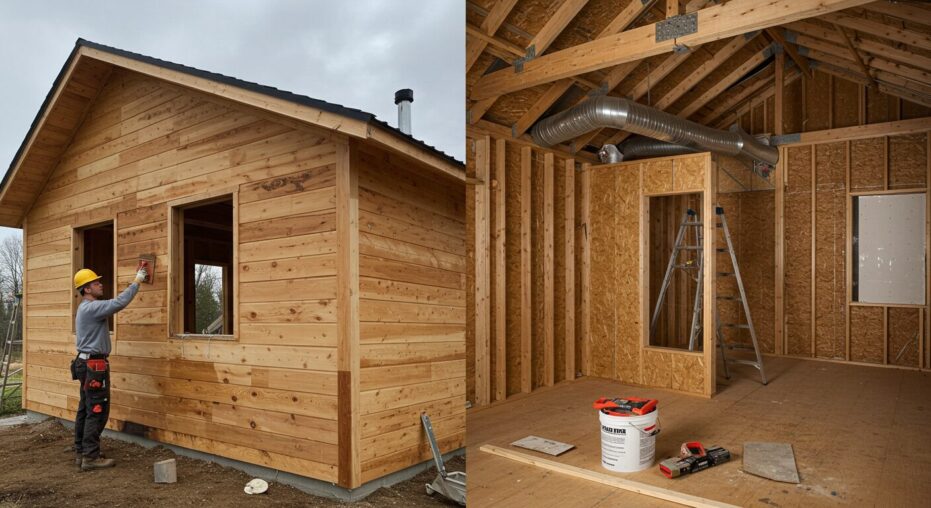
 Wooden houses are loved for their natural beauty, warmth, and traditional charm. But one major concern always comes with them: fire safety. Unlike concrete or steel structures, wooden homes are more vulnerable to fire hazards, and if not properly protected, the entire structure can be at risk. That’s why fireproofing a wooden house both inside and outside is not just an option but a necessity for long-term safety and peace of mind.
In this guide, we’ll explore the best methods, materials, and practical steps for fireproofing wooden houses. Whether you’re building a new home or upgrading an old one, the strategies below will help you protect your investment and, most importantly, your loved ones.
Why Wooden Houses Need Fireproofing
Wood is a combustible material. While modern construction methods can slow down fire spread, untreated wood can ignite quickly when exposed to flames or extreme heat. Once a fire starts, it can travel through beams, walls, floors, and ceilings in minutes.
Some common risks include:
- Kitchens and fireplaces : open flames and heat sources.
- Electrical faults : poorly maintained wiring hidden in wooden walls.
- External threats : wildfires, nearby burning debris, or lightning strikes.
That’s why proactive fireproofing measures from both inside and outside are critical.
Fireproofing a Wooden House from the Inside
Professional fireproofing contractors often provide estimation services to help homeowners plan their budget. If you’re unsure how much your project will cost, hiring experts who specialize in Firestopping Estimation Services ensures you get accurate calculations without overspending.
1. Fire-Resistant Coatings
One of the easiest and most cost-effective methods is applying fire-retardant sprays, paints, or varnishes directly on exposed wood surfaces. These products create a protective layer that slows down ignition and reduces flame spread.
2. Fire-Resistant Drywall
Covering wooden walls with Type X or fire-rated drywall significantly boosts fire resistance. Drywall acts as a barrier, delaying the time it takes for flames to reach structural wood.
3. Fire-Resistant Insulation
Fiberglass and mineral wool insulation are excellent options for walls, ceilings, and attics. They don’t burn easily and help contain fire spread inside the home.
4. Firestopping Inside Walls
Sealing gaps, joints, and penetrations around pipes, wires, and ducts with firestop sealants prevents fire and smoke from moving freely between rooms.
5. Upgrading Electrical Systems
Inside fireproofing also includes maintaining safe wiring systems. Overloaded circuits, outdated panels, and poor installations can easily spark fires in wooden structures.
Fireproofing a Wooden House from the Outside
1. Exterior Cladding
Installing non-combustible siding materials like fiber-cement boards, metal panels, or stone veneers can add a strong fire-resistant shield to your home’s exterior.
2. Fire-Retardant Wood Treatment
For exposed exterior wood, applying pressure-treated fire-retardant chemicals can slow down burning and help wood self-extinguish when exposed to flames.
3. Roof Protection
Roofs are one of the most vulnerable parts of a wooden home. Using fire-resistant shingles (like asphalt fiberglass or metal roofing) is crucial for preventing embers from starting a blaze.
4. Landscaping for Fire Safety
Defensible space around your home is part of exterior fireproofing. Clear dry leaves, trim bushes, and maintain a safe distance between trees and the house to prevent external fires from spreading.
5. Fire-Resistant Windows and Doors
Installing double-glazed or tempered glass windows and fire-rated doors can stop fire from entering quickly through weak points.
Materials and Technologies Used in Fireproofing
- Intumescent Coatings : expand when exposed to heat, creating an insulating barrier.
- Mineral Wool : a fire-resistant insulation material.
- Concrete Boards : for external cladding.
- Automatic Fire Sprinklers : provide instant suppression in case of fire.
- Sealants and Firestop Systems : used to block openings in walls and ceilings.
These modern technologies ensure that wooden homes remain safer than ever before.
Step-by-Step Guide to Fireproofing a Wooden House
- Inspect your house for potential fire risks.
- Apply fire-retardant coatings to interior wood.
- Upgrade interior with fire-rated drywall and insulation.
- Seal penetrations with firestop materials.
- Replace old electrical wiring or add surge protection.
- Reinforce the exterior with non-combustible cladding.
- Treat exposed wood with fire-retardant chemicals.
- Install fire-resistant roofing, windows, and doors.
- Maintain defensible landscaping around the home.
- Conduct regular inspections and reapply coatings every few years.
Cost Factors in Fireproofing a Wooden House
The cost of fireproofing varies depending on:
- Size of the house (small cabin vs large family home).
- Type of methods used (coatings vs full cladding).
- Labor charges in your area.
- Quality of materials.
For example:
- Fire-retardant sprays: $2-$4 per square foot.
- Fire-rated drywall: $10-$15 per sheet.
- Exterior cladding: $8-$20 per square foot.
- Fire-resistant roofing: $4-$10 per square foot.
DIY vs Hiring Professionals
- DIY fireproofing is cheaper but requires knowledge of safe application methods and codes.
- Professional contractors bring expertise, advanced tools, and ensure compliance with building regulations.
For most homeowners, a mix of DIY small tasks (like coatings) and professional installations (like roofing, sprinklers, or cladding) is the ideal approach.
Maintenance & Inspection
Fireproofing is not a one-time job. Over time, coatings wear off, landscaping grows back, and systems need servicing.
- Inspect coatings every 2-3 years.
- Check electrical systems annually.
- Maintain landscaping seasonally.
- Schedule a professional fire safety inspection every 5 years.
Conclusion
Fireproofing a wooden house is an essential step for safety, durability, and peace of mind. From coatings and drywall inside to cladding and roofing outside, every layer adds to your home’s fire resistance. By combining preventive measures, professional support, and regular maintenance, you can make your wooden home much safer against fire risks.Investing in fireproofing is not just protecting your house it’s protecting your family and future.
FAQs
Q1. What is the cheapest way to fireproof a wooden house?
Applying fire-retardant coatings or sprays on exposed wood is the most affordable method.
Q2. Can I fireproof an existing wooden house, or is it only possible during construction?
Yes, existing wooden houses can be upgraded with coatings, drywall, cladding, and other treatments.
Q3. How long do fire-retardant coatings last?
Most coatings last 3-5 years before reapplication is needed, depending on exposure and wear.
Q4. Does fireproofing make a wooden house completely fireproof?
No, but it significantly reduces ignition risk, slows flame spread, and provides critical time for evacuation.

 Written by
 Written by